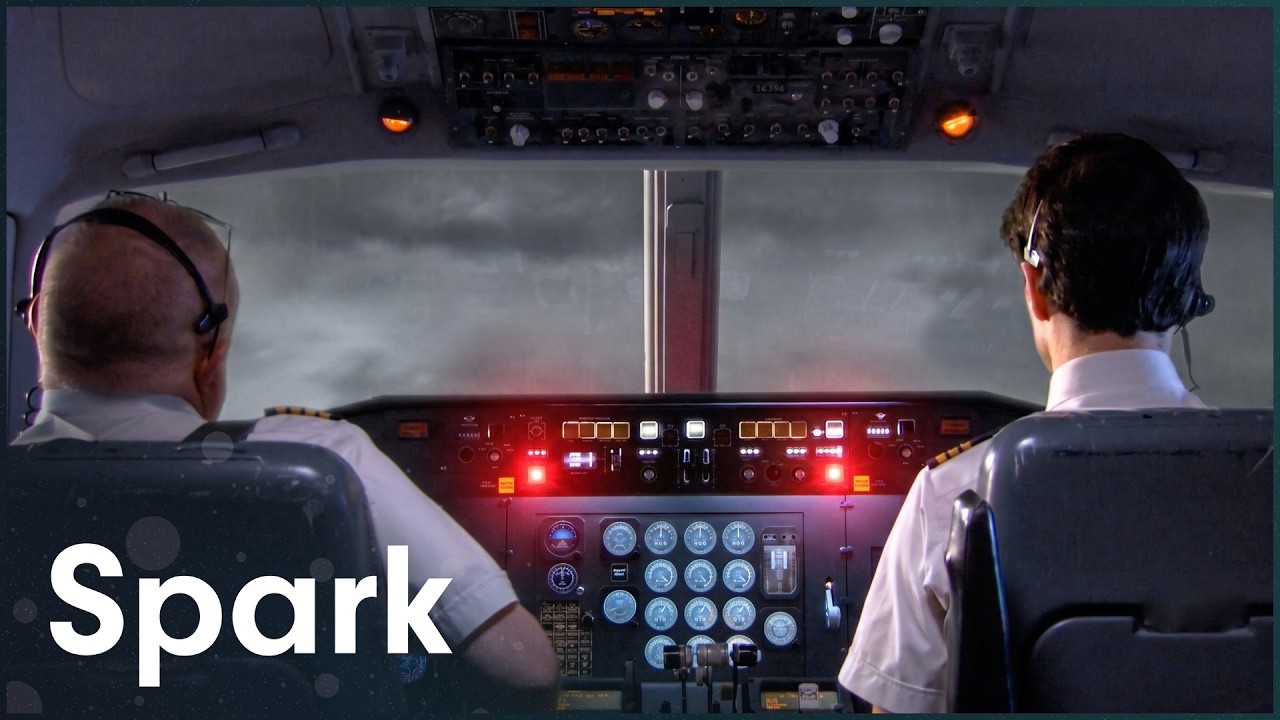
Why Did All 4 Jet Engines Suddenly Fail at 35,000 Feet?
A British Airways 747 cruising at 35,000 feet flies into an invisible cloud of volcanic ash over Indonesia, and all four engines flame out one after another. This film reconstructs that 1982 emergency alongside other aviation disasters caused by extreme weather, from thunderstorm cells violent enough to tear engines apart to microbursts, sudden two-mile-wide downdrafts that have slammed airliners into the ground short of the runway. Investigators and meteorologists explain how ash behaves differently from smoke inside a jet engine, melting into glass on the turbine blades, and how federal weather centers now track storm cells and wind shear in real time to keep controllers and pilots warned. The film walks through the chain of decisions and instrument readings in each incident, using cockpit recordings, radar data, and interviews with aviation and weather specialists to explain why these encounters turned catastrophic and what changed in forecasting and engine design afterward. It is a straightforward account of how weather, not mechanical failure, has driven some of aviation's most dangerous moments.