Confounding
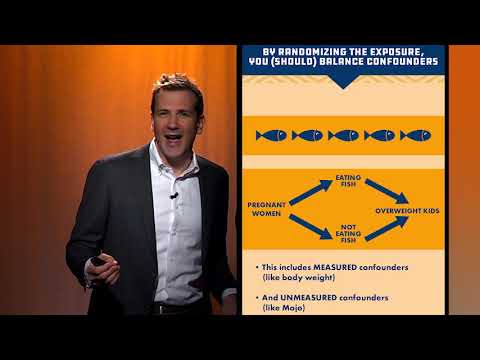
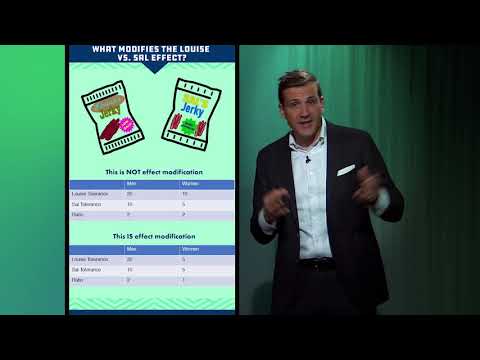
A lecture from Yale's online course Understanding Medical Research: Your Facebook Friend is Wrong tackles confounding, the statistical trap that makes correlation look like causation. The instructor walks through how a third, unmeasured variable can create or mask an apparent link between an exposure and an outcome, using health-research examples of the kind that get oversimplified into viral headlines. The talk explains how researchers try to detect and control for confounders through study design and statistical adjustment, and why failing to do so leads to the kind of misleading claims that circulate on social media. Running about fifteen minutes, it is one installment in a short course aimed at giving non-specialists the tools to read medical studies more critically, with confounding presented as one of the central reasons a study's headline result can be wrong even when the data collection itself was sound.