LECTURES A GRATIS GLOBAL SERVICE
⌕ SEARCH GRATIS GLOBAL ↗
LECTURES
How Research Works
SOURCE: YOUTUBE · NO TRACKING UNTIL YOU PRESS PLAY · TROUBLE PLAYING? WATCH AT THE SOURCE ↗

How Research Works

18 MIN · EN · STATUS: [ STREAMING ]
RATE THIS
YALE · Understanding Medical Research: Your Facebook Friend is Wrong · LECTURE 2

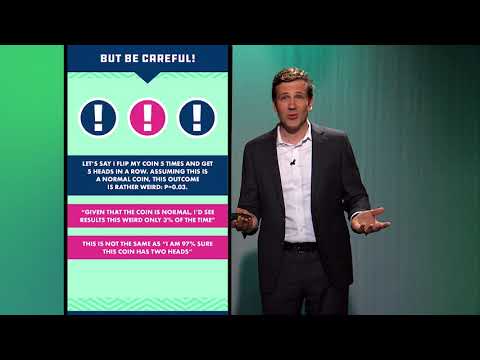
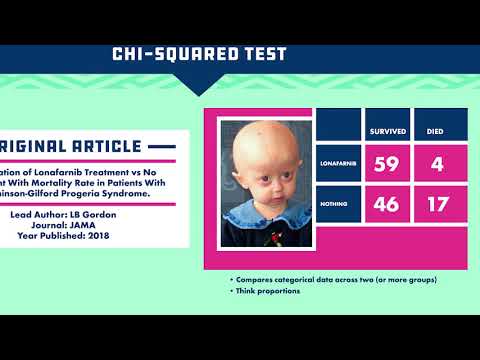
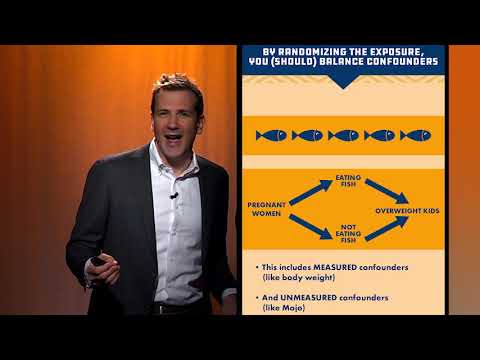
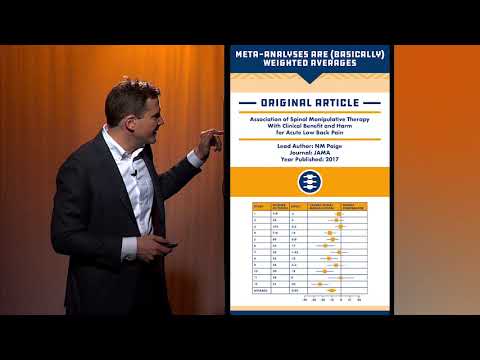
This lecture opens Yale's course on evaluating medical claims, part of a series subtitled 'Understanding Medical Research: Your Facebook Friend is Wrong.' The instructor lays out the basic architecture of scientific research: how a question becomes a hypothesis, how studies are designed to test it, and how results move from a lab or a clinical trial into a published paper. The lecture walks through the difference between observational studies and randomized controlled trials, explaining why one type of evidence carries more weight than another when a headline claims a food or drug causes some outcome. It sets up the tools a viewer needs before they can judge a study's quality: sample size, control groups, and the basic logic of statistical inference. Eighteen minutes of groundwork meant to make the rest of the course, and any medical claim shared online, easier to evaluate critically.

More from this course

12 LECTURES
Averages by Other Names

Averages by Other Names

YALE · 11 MIN
Stats as an Onion

Stats as an Onion

YALE · 13 MIN
P-Value

P-Value

YALE · 18 MIN
Choosing a Statistical Test

Choosing a Statistical Test

YALE · 11 MIN
Randomized Controlled Trials

Randomized Controlled Trials

YALE · 15 MIN
Cohort Studies

Cohort Studies

YALE · 10 MIN
Diagnostic Tests

Diagnostic Tests

YALE · 14 MIN
Meta-Analysis

Meta-Analysis

YALE · 13 MIN
Cost-Effectiveness

Cost-Effectiveness

YALE · 14 MIN
Confounding

Confounding

YALE · 15 MIN
Effect Modification

Effect Modification

YALE · 14 MIN
Multiple Comparisons

Multiple Comparisons

YALE · 17 MIN