European Intellectual History since Nietzsche: The Heritage of the Enlightenment
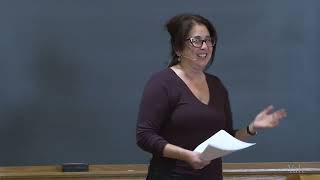
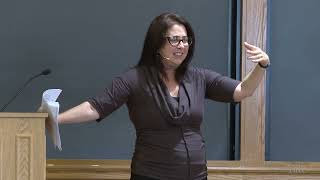
Marci Shore, Associate Professor of History at Yale, opens her survey of modern European intellectual history by laying out the Enlightenment foundations that later thinkers would inherit, revise, and attack. The class traces the idea of reason as progress, the strand of thought Thomas Mann later parodies through the character Settembrini in The Magic Mountain, and sets up the tension between Enlightenment rationalism and the Romantic reaction to follow. This is the second session of HIST 271/HUMS 339, a course that moves from the eighteenth century through Hegel, Marx, Nietzsche's death of God, and on to psychoanalysis, existentialism, structuralism, and deconstruction. Shore lectures directly to camera, working through primary texts and setting the terms the rest of the course will use. The session gives the conceptual scaffolding, reason, progress, and the Enlightenment's confidence in human self-improvement, against which nineteenth and twentieth century thinkers will react.