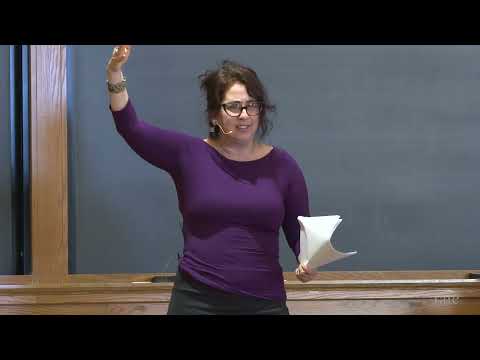
Hannah Arendt, Totalitarianism and the Nature of Evil
Marci Shore, Associate Professor of History at Yale, devotes this session of European Intellectual History since Nietzsche to Hannah Arendt's account of totalitarianism. Working from Arendt's Origins of Totalitarianism, she examines the claim that totalitarian rule invents a new method of dominating people from within, collapsing the distance between ruler and ruled that older forms of tyranny preserved. The lecture places Arendt against the course's larger arc from Nietzsche's death of God through Marxism-Leninism and psychoanalysis, treating her as a thinker grappling with the moral vacuum left by modernity's collapsed certainties. Shore discusses Arendt's concept of the banality of evil and situates it within twentieth century debates about ideology, loneliness, and the structure of totalitarian movements. Part of a fifteen-class survey covering Hegel, Kafka, Freud, Heidegger, Sartre, Foucault, and others, delivered as a formal Yale lecture with reference to assigned primary texts.