Gregorian Chant and Music in the Sistine Chapel
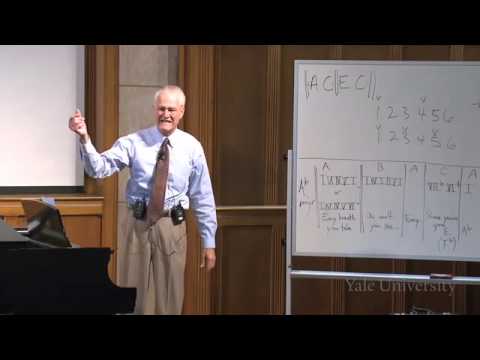
Craig Wright opens the historical unit of Yale's Listening to Music course with medieval chant. He explains the place of Gregorian chant in the daily life of monks and nuns in monasteries, convents, and cathedrals, then analyzes Hildegard of Bingen's O Greenest Branch as a case study in monophonic composition. The lecture traces the shift from monophony to early polyphony, using recordings of anonymous polyphonic works and Palestrina's Renaissance settings to show how voices layered over time, and closes with the a cappella tradition of the Sistine Chapel, including a recording of Alessandro Moreschi, the last papal castrato. Visuals of medieval illuminations, cathedrals, and monastic buildings accompany the audio examples. Recorded in fall 2008 as part of Wright's Yale course Listening to Music, the lecture gives a clear, example-driven account of how sacred music moved from single melodic lines to multi-voice composition.