Nuclear Technology 101
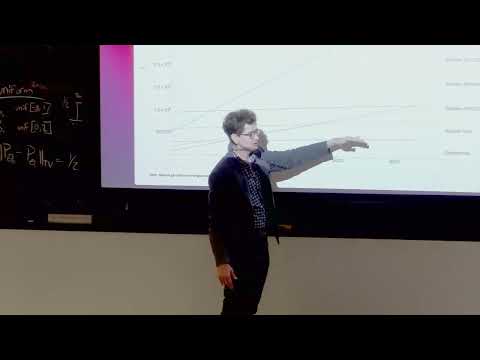
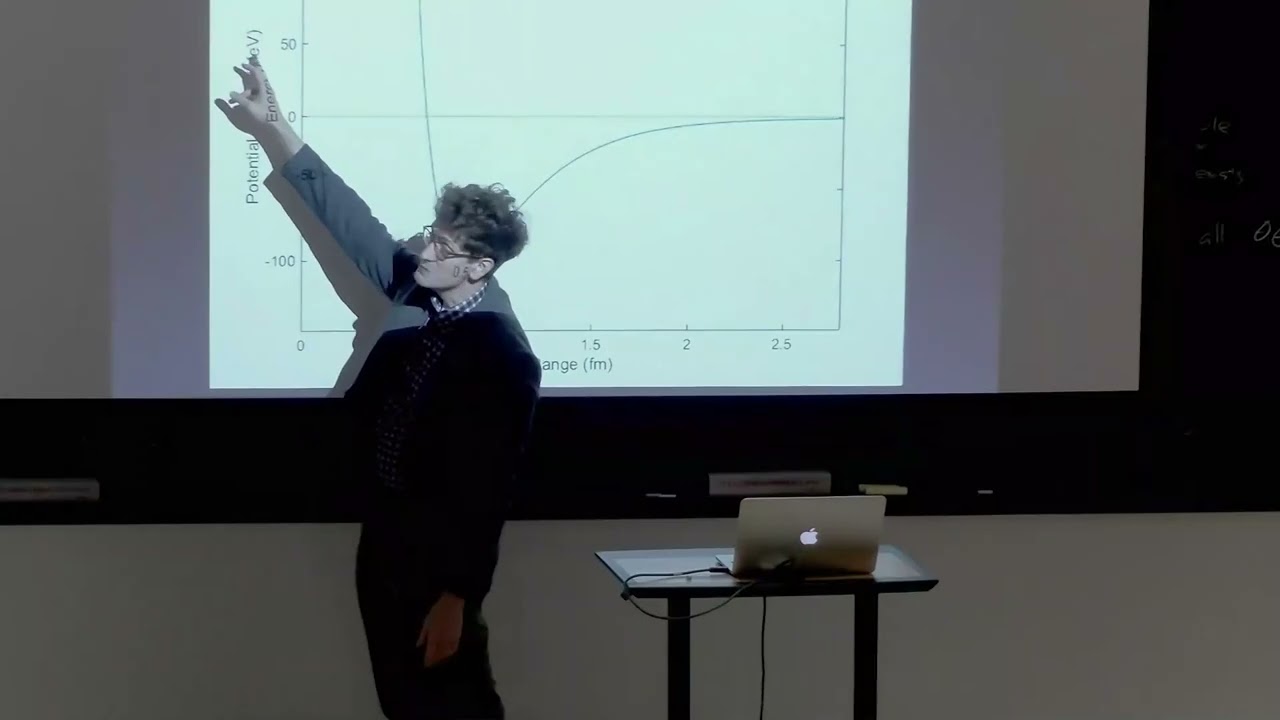
MIT physicist R. Scott Kemp opens his course Social Problems of Nuclear Energy (22.04) with a technical primer for non-experts on how nuclear reactors actually work. He covers nuclear binding energy and neutron physics, then walks through the difference between thermal and fast reactors, the uranium and thorium fuel cycles, and the enrichment process that turns raw ore into reactor or weapons-grade material. Kemp surveys the major reactor designs in use or in development, including pressurized water reactors, boiling water reactors, graphite-moderated reactors, fast reactors, and molten salt reactors, weighing the safety tradeoffs built into each design choice. The lecture closes with a short overview of fusion technology. Delivered as a straightforward chalk-and-talk lecture, it is meant as the technical foundation for the course's later discussions of nuclear policy and risk, giving students the physics vocabulary needed before the social and political debates begin.