The Tree of Commonwealth: The Social Order in the Sixteenth Century
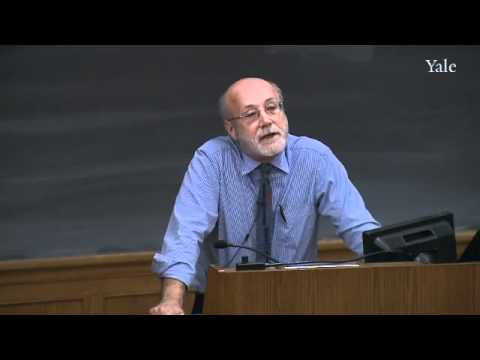
Keith Wrightson, professor of history at Yale, lays out the social order of early modern England as part of his course on politics, religion, and society under the Tudors and Stuarts. He contrasts the hierarchical language of estates and degrees with the more communitarian ideal of the commonwealth, tracing how both shaped how English people understood their place in society. The lecture covers differences between rural and urban social structures, the subordinate status of women and the young, and the gradations running from peerage and gentry down through yeomen, husbandmen, servants, and apprentices. Wrightson examines how prescriptive literature and ecclesiastical injunctions worked to preserve this order, then argues that everyday social relationships were far more flexible and ambiguous than the rigid theory suggests. Chapters move from the commonwealth ideal through nobility, commonalty, and finally gender and age. Recorded for Yale's HIST 251 in Fall 2009.