What is a Patient? Life History
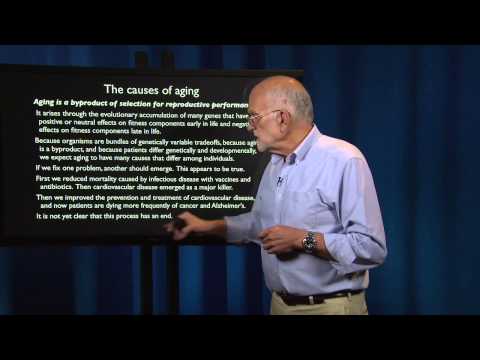
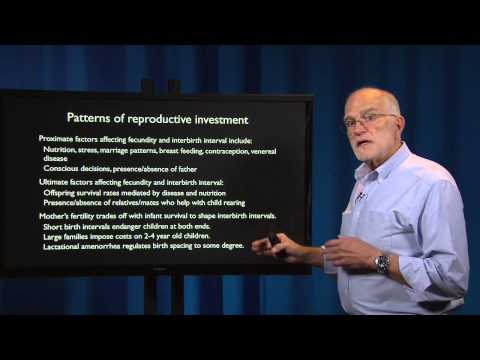
Stephen Stearns, teaching Yale's Evolution and Medicine course, uses this short segment to unpack why life history theory matters for thinking about patients. Drawing on the textbook Evolutionary Medicine, he frames the body not as a fixed machine but as the outcome of trade-offs shaped by natural selection: how organisms allocate limited resources between growth, reproduction, and repair across a lifespan. Stearns explains how these trade-offs help account for aging, vulnerability to disease, and variation between individuals, arguing that clinicians who understand a patient's life history get a fuller picture of why bodies break down when and how they do. The lecture is brief and focused, part of a numbered sequence building toward a broader argument about applying evolutionary biology to clinical medicine, and it assumes some familiarity with the course's earlier sessions on natural selection and evolutionary reasoning.