What is a Patient? The Unusual Human Life History
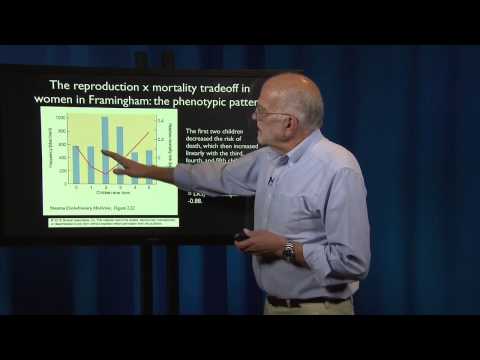
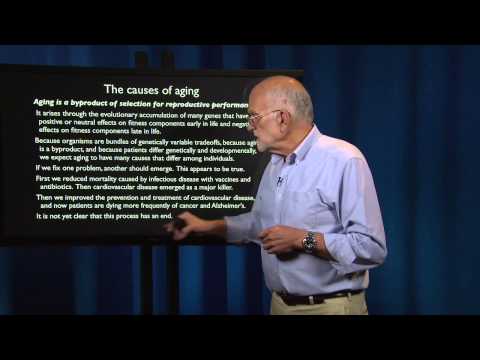
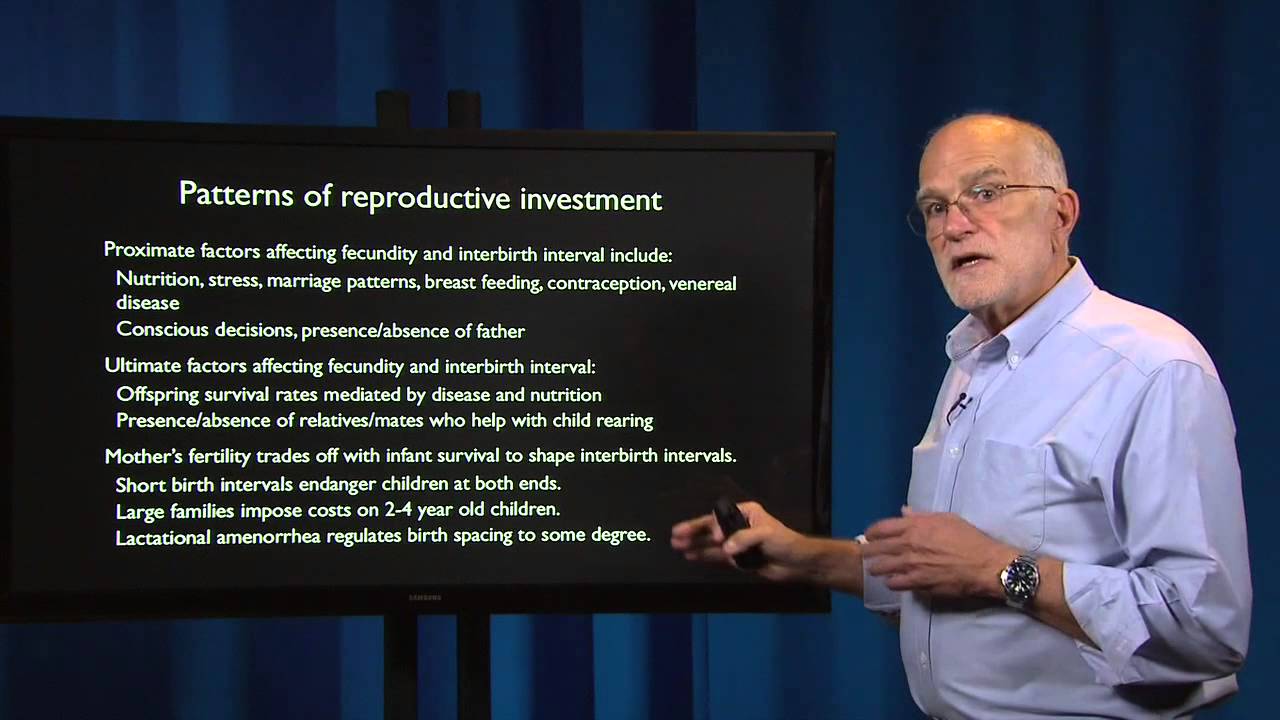
Stephen Stearns, teaching Yale's Evolution and Medicine course, asks what evolutionary biology means by a life history and why the human version is so strange. He walks through traits like extended childhood, long post-reproductive lifespan in women, and heavy dependence on cooperative care of offspring, comparing humans against other primates to show how unusual this pattern is. The lecture draws on the textbook Evolutionary Medicine (Sinauer Associates) and frames these life history quirks as background for understanding what a patient actually is from an evolutionary standpoint, tying reproduction, aging, and vulnerability to disease into a single framework. Stearns keeps the argument grounded in comparative biology rather than clinical detail, building toward the course's larger claim that medicine makes more sense once you see the body as a product of trade-offs shaped by natural selection over deep time.