Which Policies and Programs Improve Addiction Treatment?
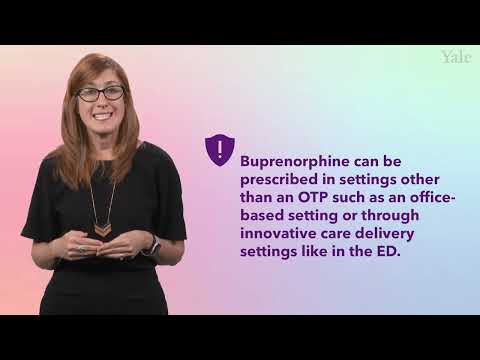
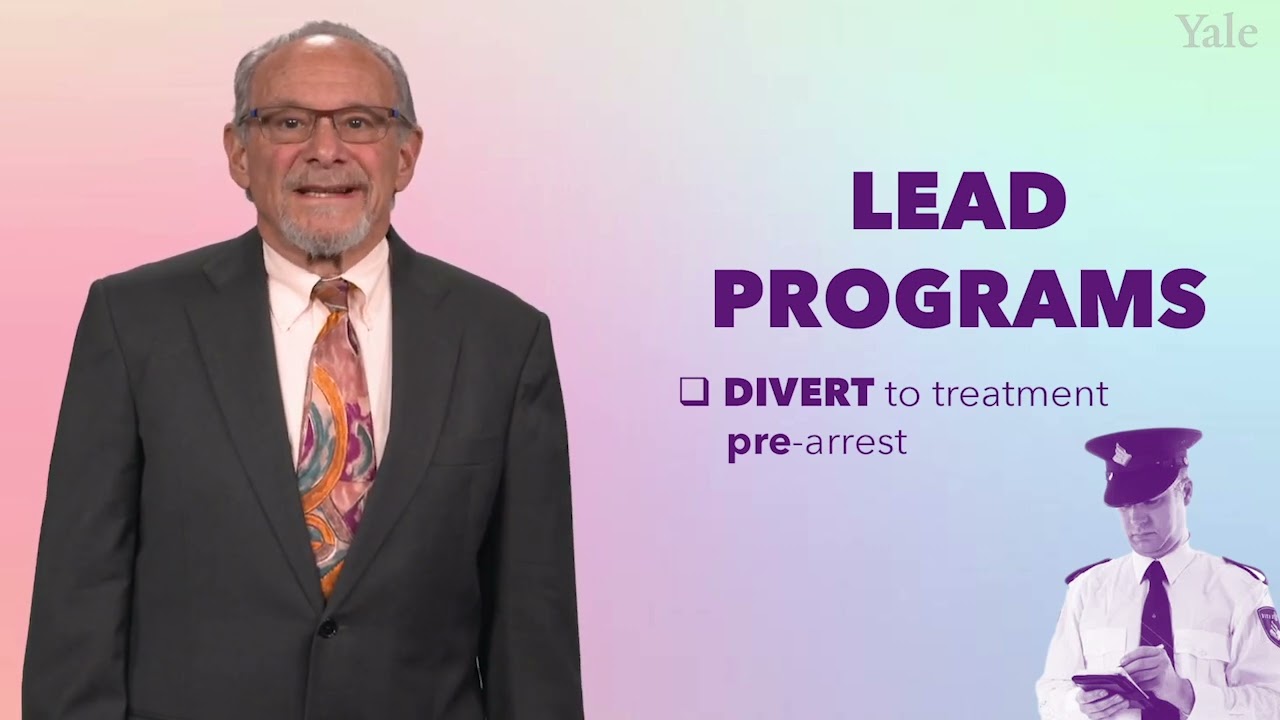
A lesson from Yale's course Addiction Treatment: Clinical Skills for Healthcare Providers examines the policies and programs that shape outcomes for substance use disorders. The instructor argues that outdated systems criminalizing drug use undercut recovery, and reviews evidence-based alternatives instead: naloxone distribution to reverse overdoses, opioid agonist medications like methadone and buprenorphine, and mobile methadone delivery models that reach patients traditional clinics miss. Diversion programs that route people into community support rather than jail get specific attention, alongside regulatory and stigma barriers that keep treatment out of reach. The lesson also covers prevention, citing school-based programs like Preventure and the Good Behavior Game and family interventions aimed at catching risk early. Aimed at healthcare providers, it treats addiction as a clinical and policy problem rather than a moral one, laying out what current research says actually reduces harm and expands access to care.