Accountability and Greed in Investment Banking
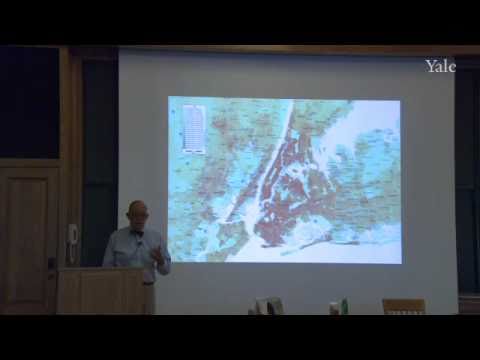
Yale political science professor Douglas W. Rae examines how incentives and property rights shape individual behavior, part of his course Capitalism: Success, Crisis and Reform. He opens with the Coase Theorem and its three conditions for efficient transactions: clear entitlements, transparency, and low transaction costs. Rae then walks through Ghen v. Rich, an 1881 whaling law case, to show how legal rules over property assign incentives. The lecture moves to Hernando de Soto's account of how property rights formed in the American West, then narrows to New Haven, examining local deeds and real estate valuation as a case study in property's practical workings. It closes with a discussion of Mory's, the New Haven eating club, connecting these threads back to questions of accountability and self-interest in economic institutions.