Cancer: Why We Are Susceptible
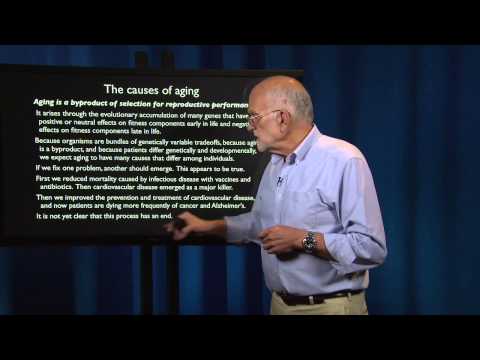
Stephen Stearns, teaching Yale's Evolution and Medicine course, asks why natural selection has not eliminated cancer despite its lethality. Drawing on the textbook Evolutionary Medicine, he argues that selection optimizes reproductive success rather than lifelong health, so mutations that raise cancer risk late in life can persist if they carry no cost, or even a benefit, during reproductive years. He walks through the tradeoffs between cell proliferation needed for growth and repair and the tumor suppression needed to prevent runaway division, showing how this balance shifts with age. The lecture frames cancer not as a design flaw but as a predictable byproduct of a body built by selection for reproduction, not for indefinite maintenance. Short and dense, it fits into a broader series applying evolutionary reasoning to disease.