Depression and Double V (continued)
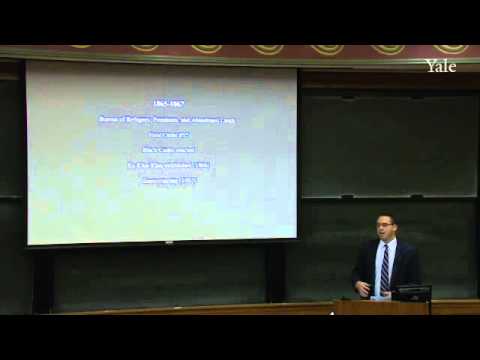
Yale historian Jonathan Holloway continues his lecture on African American political strategies in the late 1930s, part of the course American History: From Emancipation to the Present. He examines the National Negro Congress, Marian Anderson's Easter Sunday concert on the steps of the Lincoln Memorial, and A. Philip Randolph's March on Washington movement, tracing how the federal government began to reckon with black political leadership after decades of neglect. Holloway also discusses the era's radical currents, including black Communists and Socialists who advanced democratic visions that briefly gained real traction before Cold War anticommunism undercut civil rights organizing. The lecture runs about 48 minutes and is divided into three chapters covering these episodes in sequence, offering a close look at organizing strategies and ideological debates within black America during the Depression decade.