Uplift, Accommodation, and Assimilation
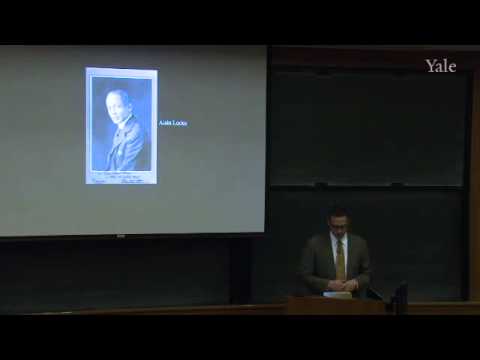
Yale historian Jonathan Holloway continues his course on African American history from Emancipation to the present, turning to the decades after Reconstruction that historians call the nadir of the black experience. He opens with Alexander Crummell, tracing his vision of moral and educational uplift, then moves to the idea of the Talented Tenth and the broader uplift ideology that shaped black political thought at the turn of the century. Holloway shows how uplift carried contradictory meanings, functioning at times as a radical challenge to white supremacy and at other times as a conservative program of respectability aimed at proving black fitness for citizenship. Figures including Anna Julia Cooper and W. E. B. Du Bois enter the discussion as Holloway lays out competing strategies for black advancement amid disenfranchisement, lynching, and economic exclusion in the Jim Crow South. The lecture runs through three chapters, moving from Crummell's career to the Talented Tenth concept and finally to uplift as a broader ideology.