Heeding the Deed, Part 1
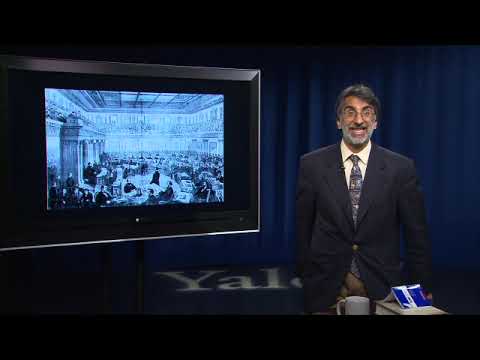
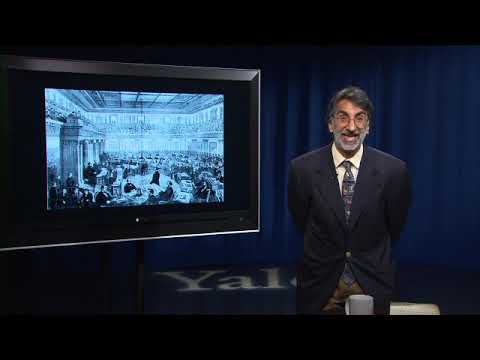
Akhil Reed Amar, Sterling Professor of Law at Yale, argues that some constitutional principles come not from the Constitution's words but from how it was actually ordained. He reads the ratification of 1787-88 as an act of enactment in its own right, showing how it unfolded as a continent-wide exercise of free speech and how simple majority rule carried every state ratifying convention, including a 30-27 vote in New York. Amar contrasts this with the Declaration of Independence and draws out the baked-in implication of majority rule: that a simple majority of senators retains the power to change the chamber's entrenched filibuster rules. Part of Amar's Yale course on America's Unwritten Constitution, the lecture moves from founding-era procedure to a live argument about modern Senate practice, treating the deed of ratification as a source of constitutional meaning equal to the text itself.