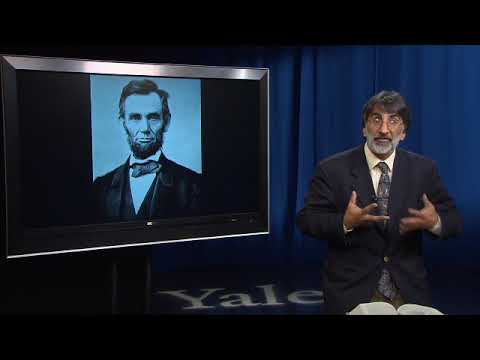
The Constitution and Same-Sex Marriage
Yale teaching assistant Bradley walks through the legal road to the Supreme Court's same-sex marriage rulings as a bonus lesson in Akhil Reed Amar's America's Unwritten Constitution course. He traces the chain from California's Proposition 8 through United States v. Windsor to the circuit split that eventually forced the Court to take up the issue. The core of the lecture applies Amar's birthright equal-citizenship theory of the Fourteenth Amendment, arguing that bans on same-sex marriage discriminate on the basis of an immutable trait tied to one's status at birth. Bradley also brings in three less obvious textual hooks Amar might use: the anti-nobility principle, the bill-of-attainder clause, and the ex post facto clause, showing how each could support a marriage-equality reading of the Constitution. The lesson stays focused on constitutional argument and case law rather than advocacy, tracking how doctrine and procedure interact to push a case toward the Court.