Reading Between the Lines, Part 2: America's Unwritten Constitution
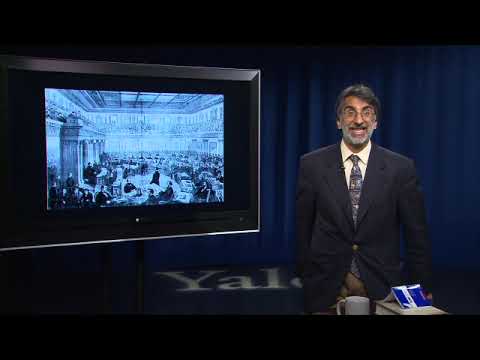
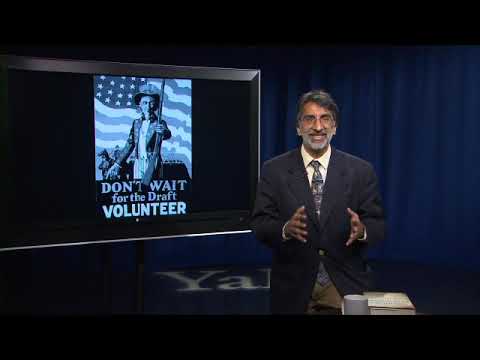
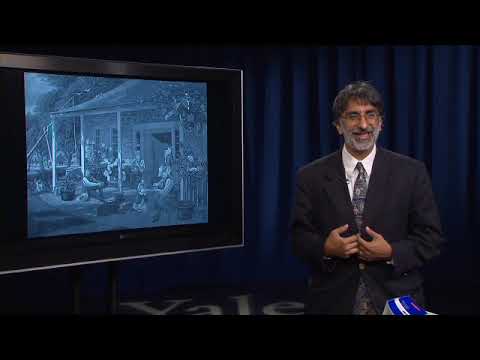
Akhil Reed Amar, the Yale law professor known for his structural readings of the Constitution, continues his argument that unwritten constitutional principles can be derived from the document's logic rather than its text alone. He extends McCulloch v. Maryland to explain why a state cannot tax a national bank, tracing that reasoning into the dormant commerce clause. He then poses a free speech hypothetical set in 1850, before the Fourteenth Amendment existed, asking whether North Carolina could jail a speaker for criticizing slavery, and argues that popular sovereignty already implied broad national free speech protection. The lecture closes on whether a state can indict a sitting president, using the Andrew Johnson impeachment as a case study. The throughline is a single structural principle: a part cannot govern the whole, and no one can judge their own case. Chapters mark each shift in the argument across the twenty-seven minute talk.