Weakness of the Will and Procrastination
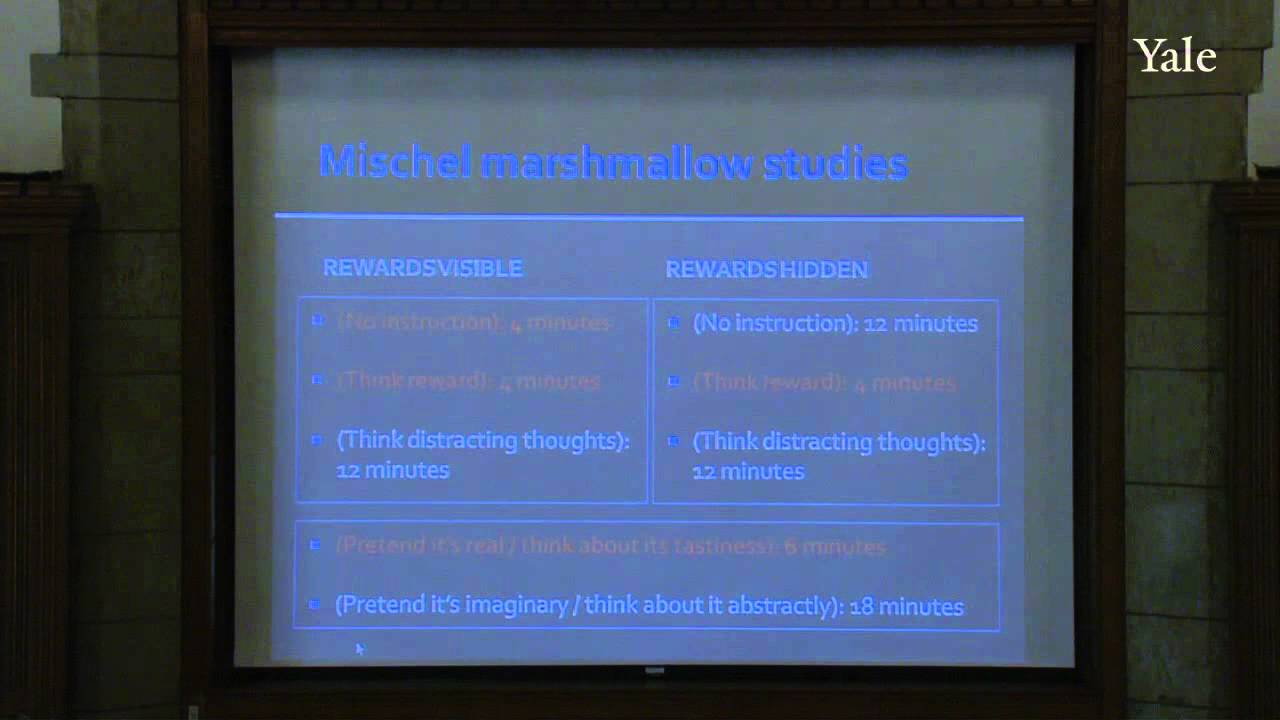
Tamar Gendler, teaching Yale's Philosophy and the Science of Human Nature, examines why people act against their own better judgment. She opens by revisiting the situationist critique of virtue ethics, which downplays character's role in behavior, then turns to Walter Mischel's studies showing that a child's early capacity to delay gratification correlates strongly with later academic and social success. The lecture moves through Aristotle's account of akrasia, or weakness of will, and connects it to behavioral economics research on hyperbolic discounting, the tendency to overvalue immediate rewards. In the closing segment, drawing on Aristotle, Mischel, George Ainslie, and Robert Nozick, Gendler lays out concrete self-regulation strategies: removing temptation from reach, restructuring incentives, and binding oneself to general principles rather than case-by-case judgment. Recorded in spring 2011 as part of Yale's open course on philosophy and human nature, the lecture is organized into four chapters covering situationism, Aristotle, incontinence, and self-regulation.