Equality II: Nozick's Anarchy, State, and Utopia
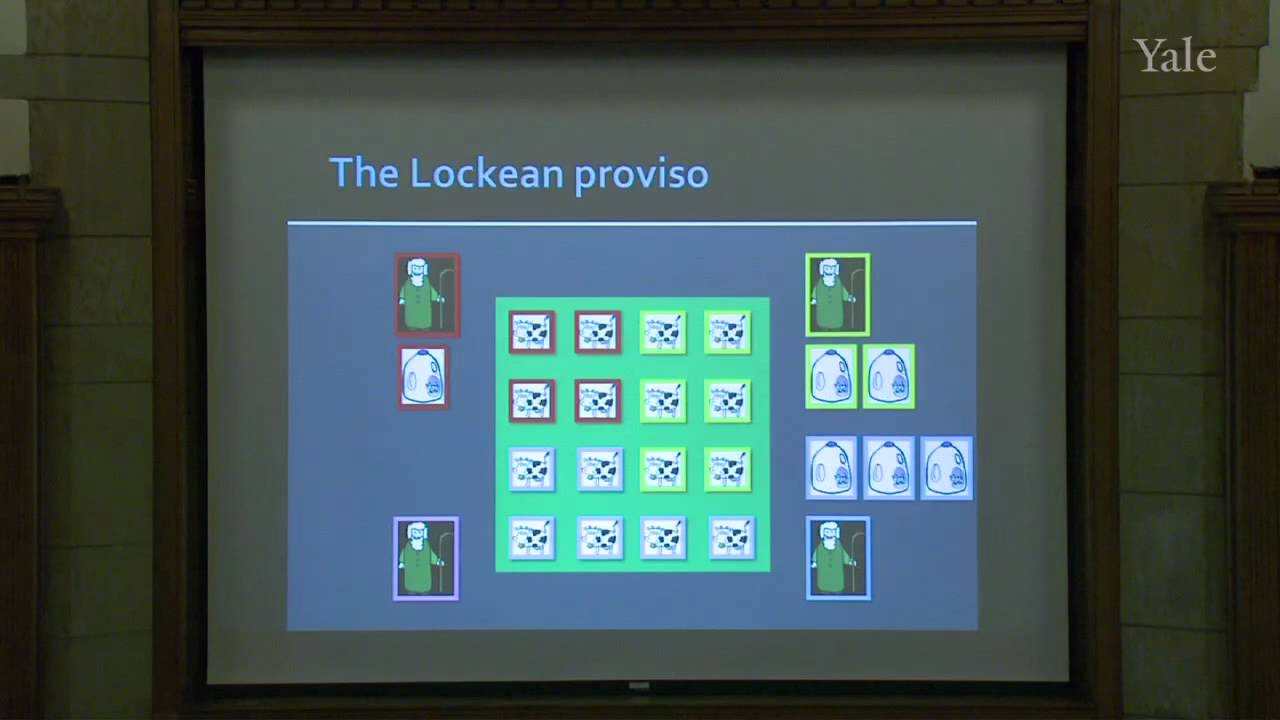
Yale professor Tamar Gendler presents Robert Nozick's Anarchy, State, and Utopia as a counterpoint to Rawls, whose theory of justice occupied the previous lecture. Where Rawls centers justice, Nozick centers rights and liberties, arguing that only a minimal state is just and that anything more extensive violates individual freedom. Gendler works through the seventh chapter of Nozick's book, covering justice in acquisition, justice in transfer, and the Lockean Proviso governing how much a person may claim from common resources. The lecture closes with Nozick's Wilt Chamberlain example, his attempt to show that voluntary transactions between consenting people can produce unequal outcomes without anyone being wronged, undermining the case for state-enforced redistribution. Part of Yale's Open Courses lecture series Philosophy and the Science of Human Nature, recorded in 2011, the talk assumes some familiarity with Rawls from the prior session but stands as a clear, self-contained account of libertarian political philosophy's core argument.