Clouds and Precipitation
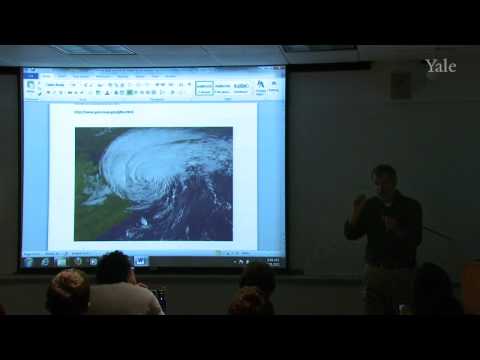
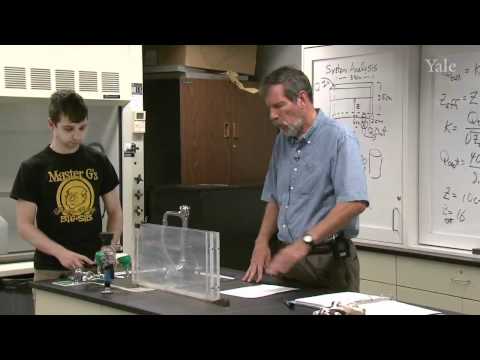
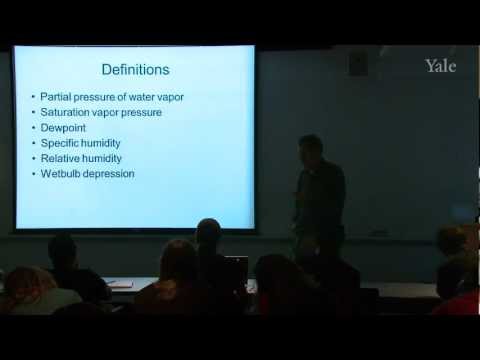
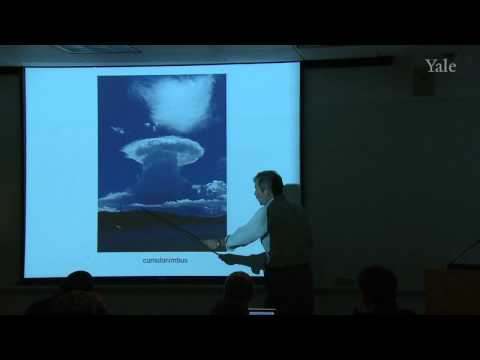
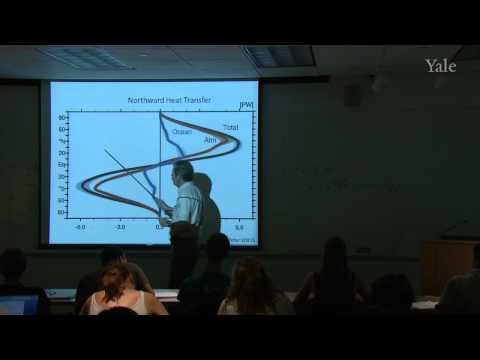
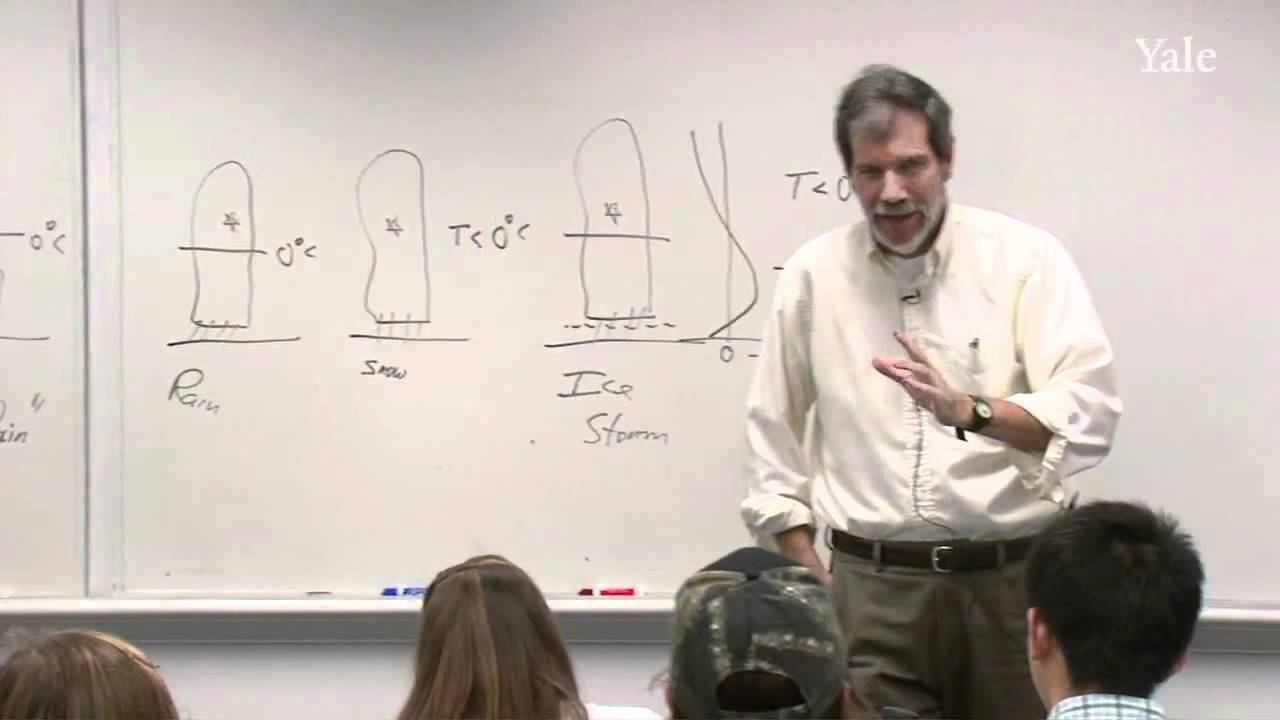
Yale professor Ron Smith continues his course The Atmosphere, the Ocean and Environmental Change with a lecture on how clouds form and how precipitation actually falls out of them. He covers how scattered visible light and microwave radar are used to detect clouds and precipitation, then walks through a classroom cloud chamber demonstration in which dropping the pressure in a glass chamber condenses visible droplets too small and slow to reach the ground on their own. He explains the two mechanisms that turn cloud droplets into rain: collision coalescence, dominant over tropical oceans, and the ice phase mechanism, more common globally and central to cloud seeding practice. The lecture closes with precipitation climatology and evaporation. Chapter markers break the 49-minute recording into nine segments, from radar detection through cloud seeding to global rainfall patterns, giving a full physical account of how water moves from vapor to raindrop.