Horizontal Transport
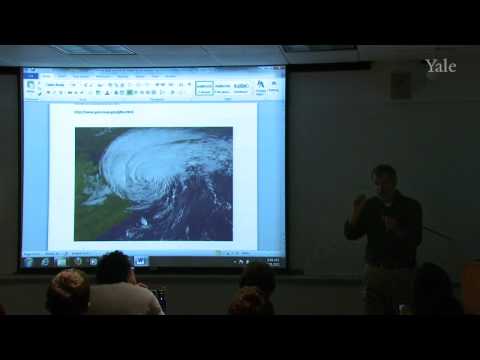
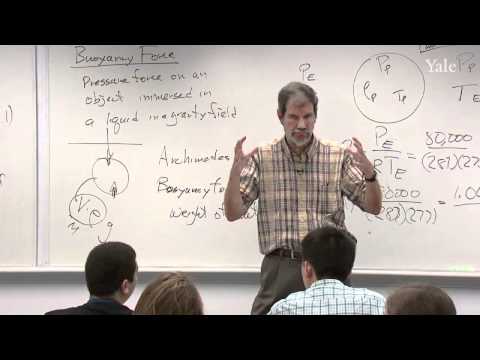
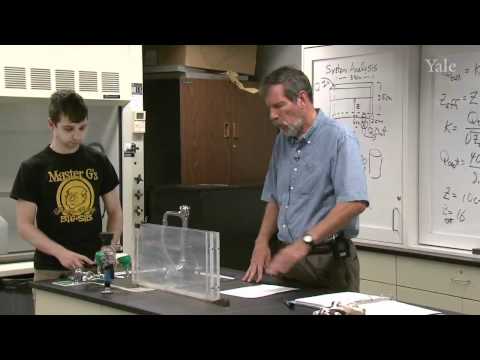
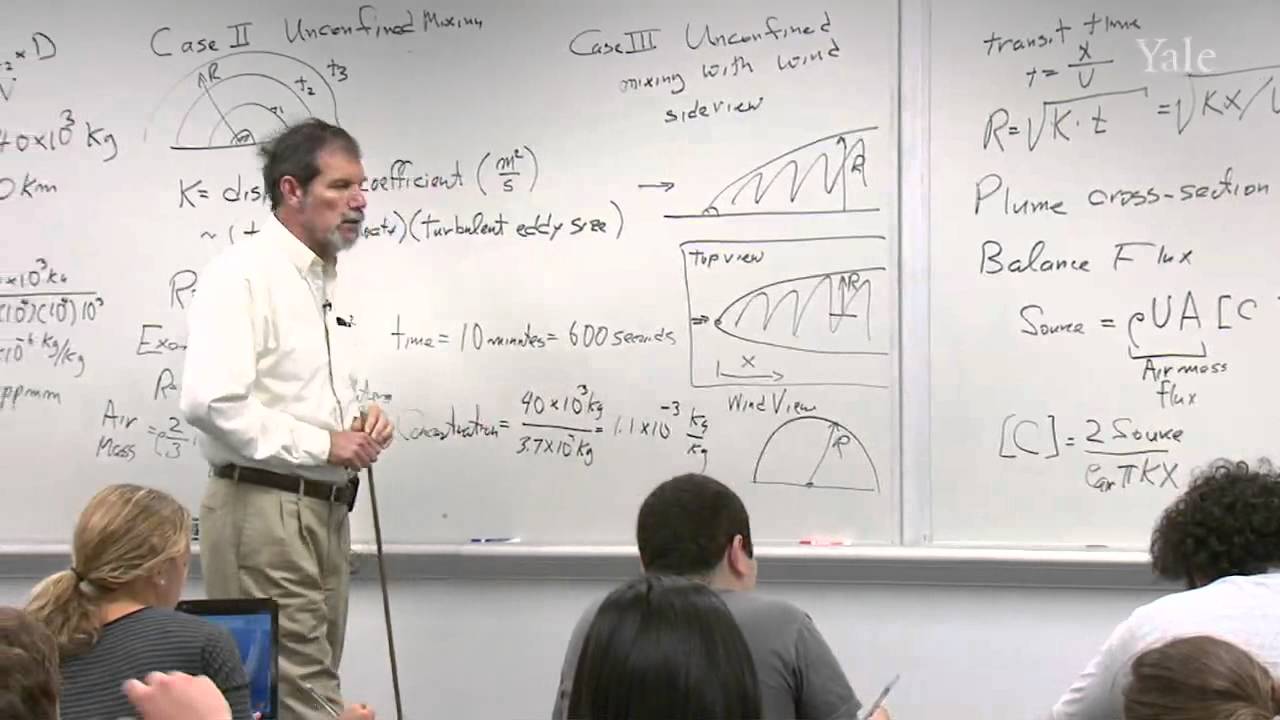
Yale professor Ron Smith continues his course The Atmosphere, the Ocean and Environmental Change with a lecture on how pollutants mix and travel through the air. He works through three scenarios: confined mixing, where concentration depends on the volume and mass of air trapping the pollutant, unconfined mixing or diffusion, where a pollutant spreads outward from its source over time, and unconfined mixing with wind, where the plume drifts downwind from the source. The lecture then turns to the lapse rate, the change in temperature with altitude, and explains how buoyancy drives rising and descending air parcels. Chapter markers divide the 42-minute recording into confined valley mixing, unconfined mixing, wind effects, lapse rate, and buoyancy, building a physical picture of why smog settles in some places and clears in others.