Death Penalty History
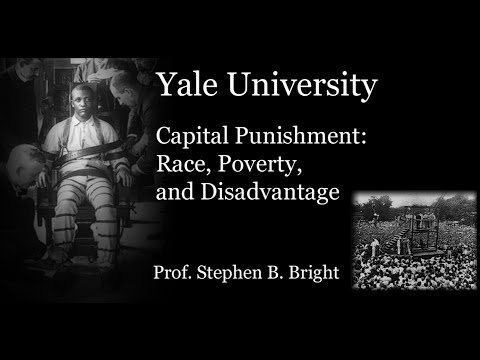
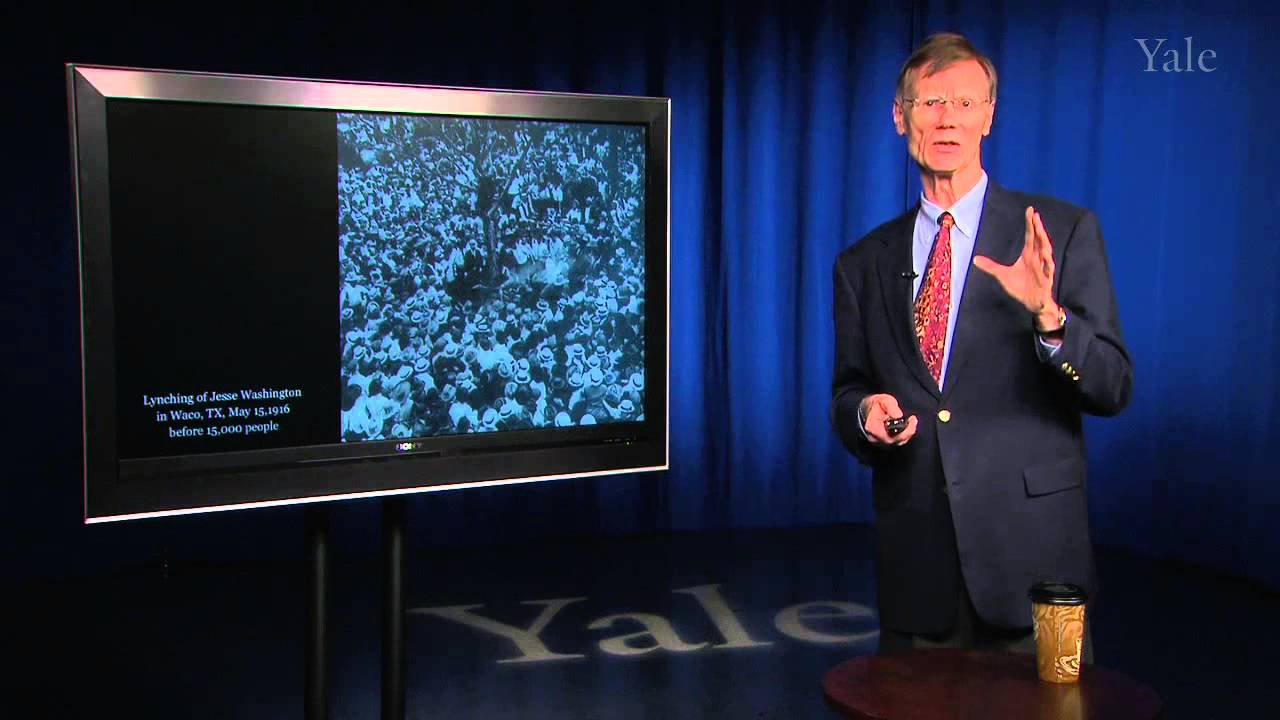
Stephen Bright, teaching Yale's course Capital Punishment: Race, Poverty, and Disadvantage, traces the death penalty's roots in American racial history. He connects slavery-era punishment codes to the wave of lynching that followed emancipation, arguing that mob violence functioned as an extralegal death penalty when courts would not act. The lecture covers the failure of Reconstruction-era governments to protect freed African Americans from violence and legal retaliation, and it details convict leasing, the system that let states lease prisoners, disproportionately Black men convicted on flimsy charges, to plantations and mines, effectively continuing slavery under a different name. Bright uses these historical threads to explain how the modern capital punishment system inherited patterns of racial disparity rather than starting from a neutral baseline. Assigned readings on this history back the discussion. Running under half an hour, the talk is dense with specific historical examples rather than abstract argument, aimed at students beginning a semester-long study of race and the death penalty.