Mitigation
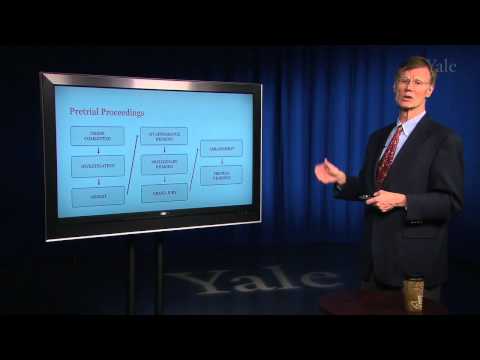
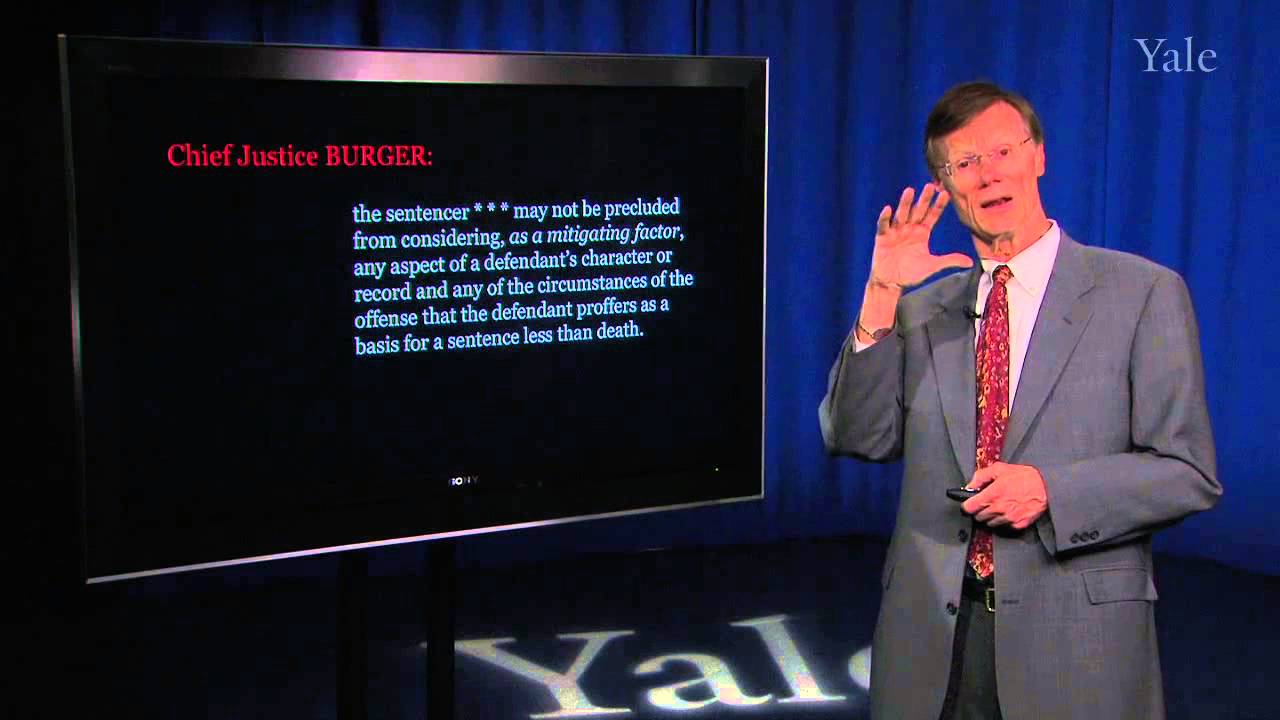
Stephen Bright, teaching Yale's course on Capital Punishment: Race, Poverty, and Disadvantage, examines how mitigating circumstances function in death penalty sentencing. He walks through the Supreme Court decisions that require juries to be allowed to consider mitigating evidence before sentencing someone to death, then turns to what that evidence actually looks like in practice: childhood abuse, mental illness, intellectual disability, and other life history that defense teams must dig up and present persuasively. Bright draws on his own experience as a capital defense lawyer to describe how hard this evidence is to find, verify, and put in front of a jury in a way that changes the outcome. The segment is part of a class session built around assigned readings on mitigating circumstances, and it stays close to the practical mechanics of a capital case rather than abstract doctrine.