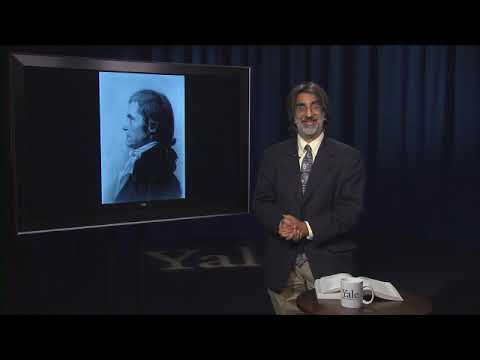
Congressional Powers, Part 2
Akhil Reed Amar continues his course on the Constitution with a close reading of Article I, Section 8, treating the enumerated powers as a coherent design rather than a list. He argues for a broad reading of "commerce" that covers foreign affairs, navigation, and immigration, since no other clause plausibly supplies those powers. He analyzes the Necessary and Proper Clause from two angles, federalism, where the missing word "expressly" grants implied powers while "proper" bars pretextual ones, and separation of powers, where it makes Congress first among equals. The lecture covers McCulloch v. Maryland and John Marshall's national security defense of the national bank, the constitutional logic behind funding armies only two years at a time while leaving the Navy unrestricted, the militia as a check on federal power later abused by the Confederacy, and the telling silences at the end of Article I that let slavery entrench itself.