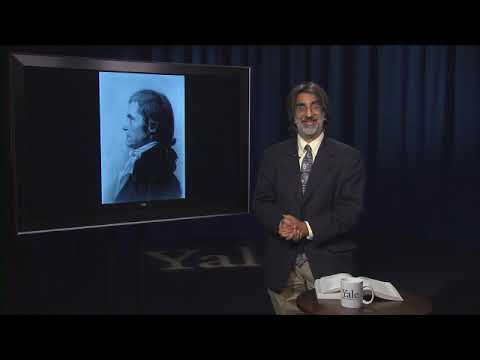
New Rules for a New World, Part 1: Article I and the New Congress
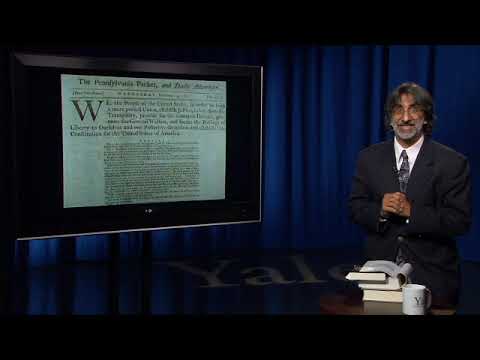
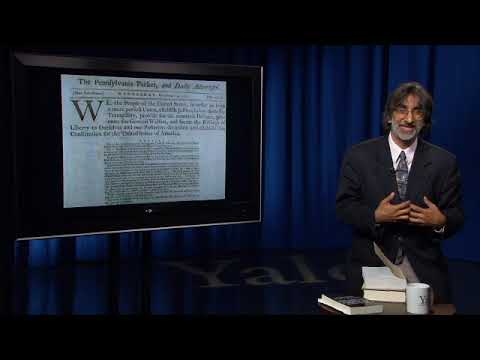
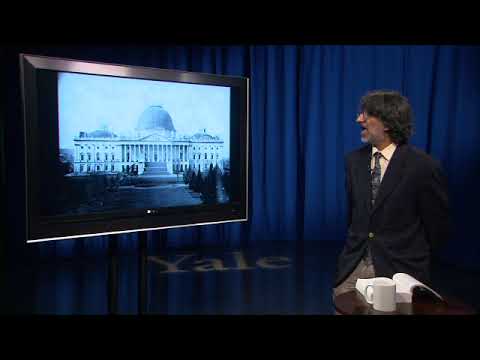
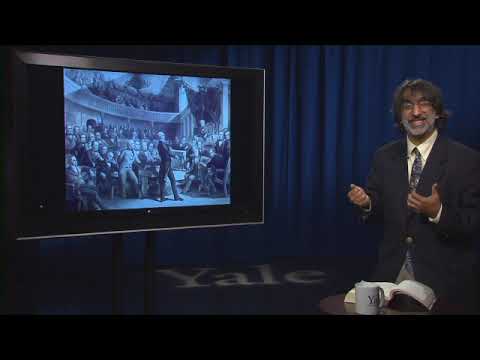
Akhil Reed Amar opens his Yale course on the Constitution by examining Article I, the longest article and the one housing Congress, the first branch established. He compares the new legislature with the Congress of the Articles of Confederation, noting what survived, including the name itself and equal state representation in the Senate, against what changed: real lawmaking power, implied powers, six-year Senate terms without recall, and a directly elected House. Amar works through what bicameralism actually achieves, arguing its real function is fewer unconstitutional laws rather than fewer laws overall. He then turns to the Anti-Federalist objection that a House of 65 members could not represent a country whose state legislatures seated 1,500, and explains how the text's silence on future apportionment answered that fear by promising growth after the first census.