Presidential Powers, Part 2 | America's Written Constitution
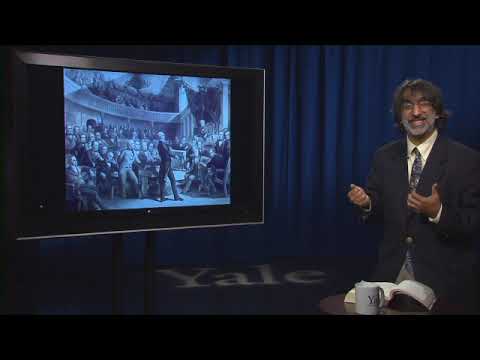
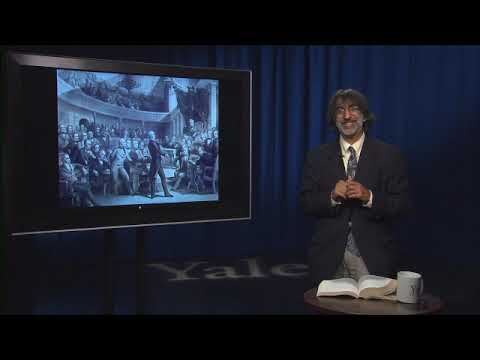
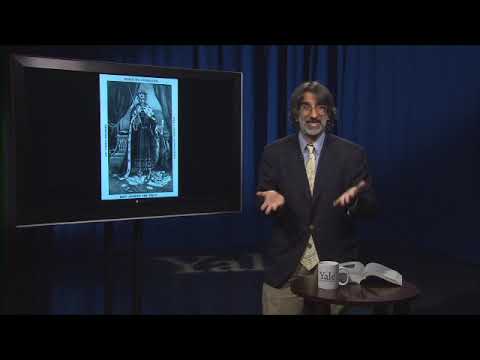
Akhil Reed Amar, the Yale constitutional scholar, measures the American presidency against the two offices the framers knew best: a state governorship it exceeded and a monarchy it deliberately fell short of. He walks through the veto power, the salary guarantee Congress cannot touch, and the Vesting Clause, arguing that Article II's open-ended phrasing (unlike Article I's enumerated grants) is the textual root of residual executive power. That power covers cabinet removal, secret treaty talks, and Lincoln's suspension of habeas corpus before Fort Sumter, each later ratified by Congress after the fact. Amar also covers command of the army versus the state militias, the logic behind an unconditional pardon power, and impeachment as the peaceful substitute for beheading a king. He closes with the 'King Andrew the First' cartoon and what Andrew Jackson's presidency reveals about a Constitution built to be democratic, pro-slavery, and security-minded all at once.