Judges and Juries, Part 1
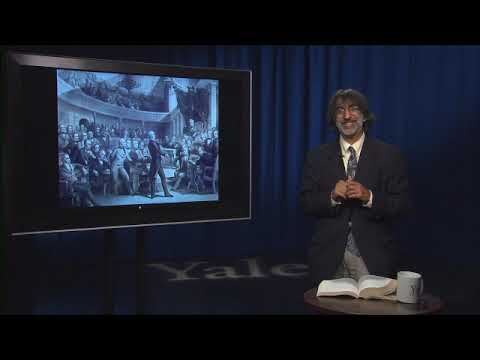
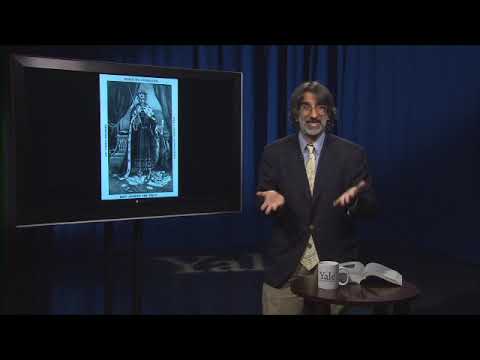
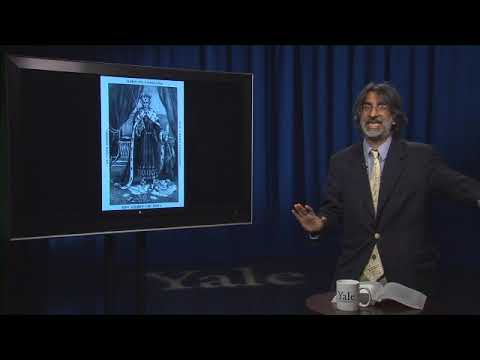
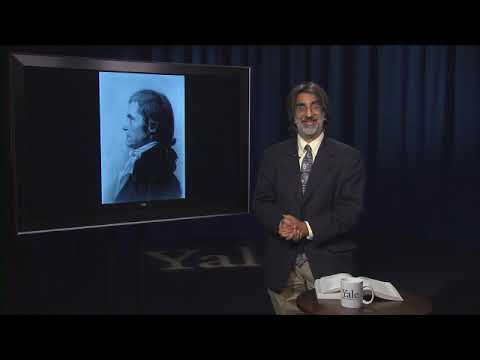
Yale professor Akhil Reed Amar opens his constitutional law lecture series' treatment of Article III with a striking fact: at the Revolution, the chief judges of ten of the thirteen colonies sided with George III rather than George Washington. He argues that history explains why the judiciary gets only one chapter while Congress and the presidency each get two, and why judges share that chapter with juries. Amar reads the three articles as a record of revolutionary grievances, tracing a democratic pyramid in which more accountable bodies choose less accountable ones, from the Preamble through presidential appointment of judges. He examines how state constitutions treated their courts, Congress's powers over the size and rules of the federal judiciary, and closes on Federalist 78, life tenure, undiminishable salary, and the unresolved question of how robust judicial review the framers actually envisioned.