Lecture 8: Backward Induction
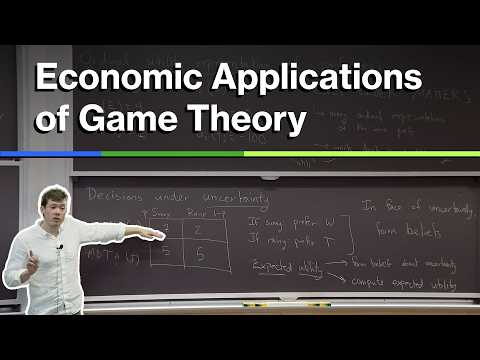
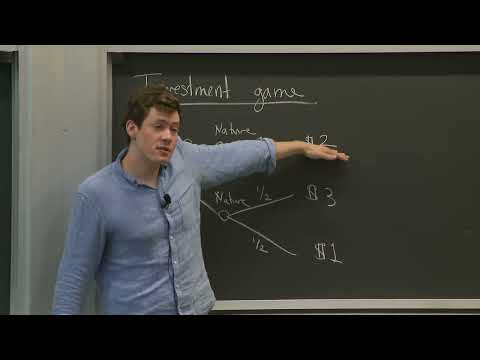
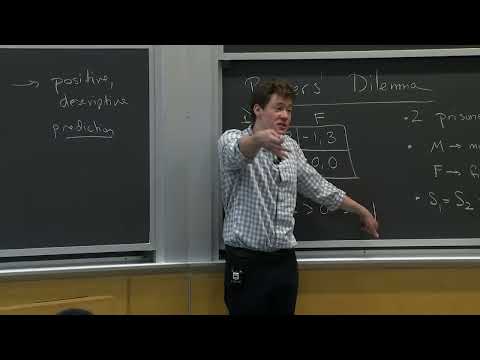
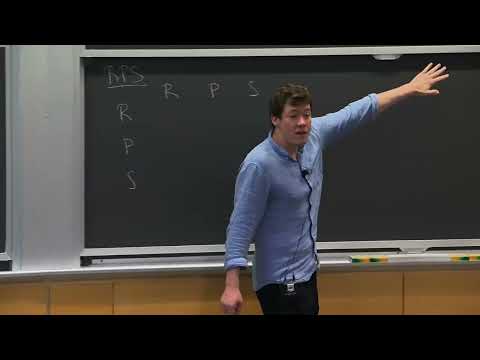
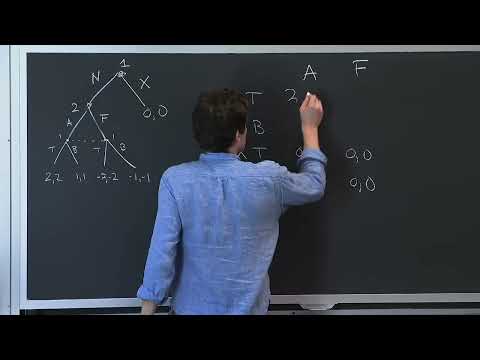
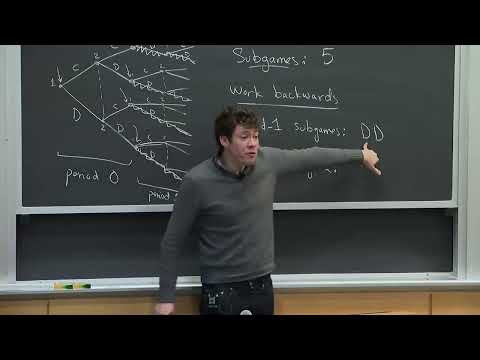
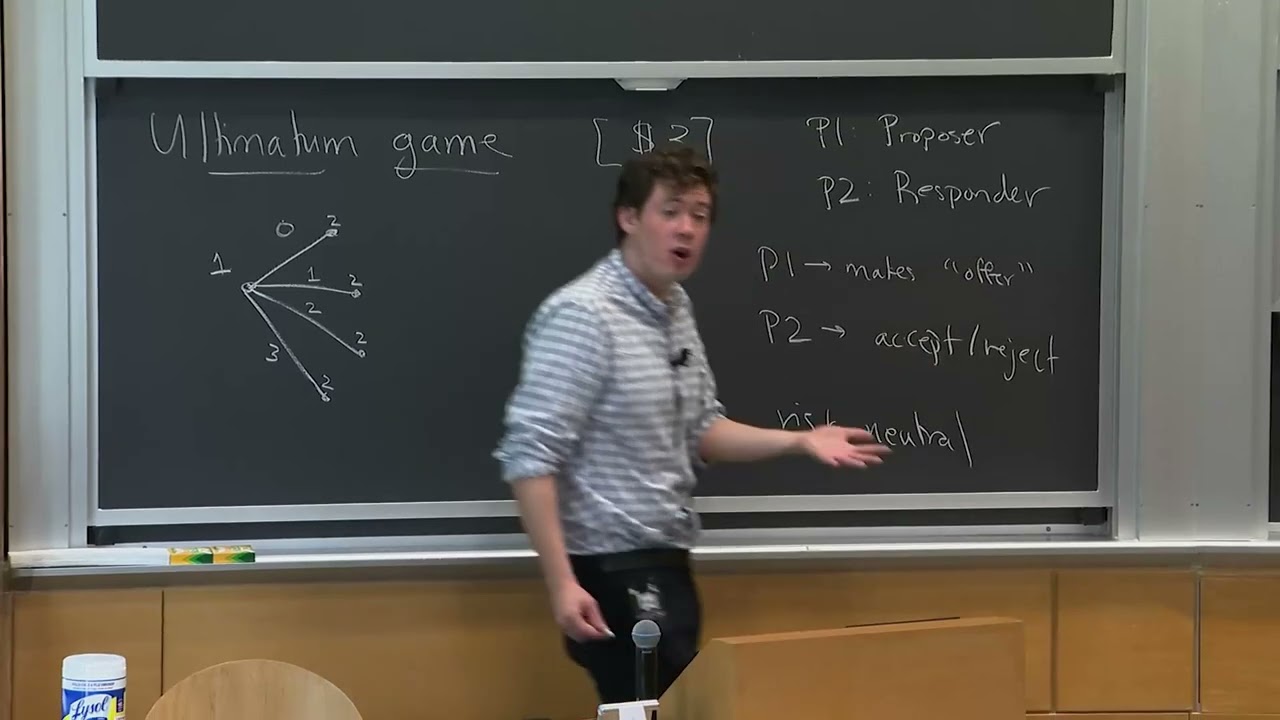
Ian Ball teaches this session of MIT's 14.12 Economic Applications of Game Theory, covering backward induction, the method of solving sequential games by reasoning from the final move back to the first. The seventy-seven minute lecture works through extensive-form games, showing how players anticipate later decisions to determine optimal play earlier in the game tree. Ball develops the logic with formal examples, connecting the technique to subgame perfect equilibrium and illustrating where backward induction succeeds and where its predictions can break down in practice. The lecture assumes familiarity with basic game theory notation from earlier sessions in the course and builds toward more advanced equilibrium concepts used later in the term. As with other MIT OpenCourseWare recordings, the board work and Ball's step by step derivations carry most of the content, with minimal slides.