Effective Assistance of Counsel
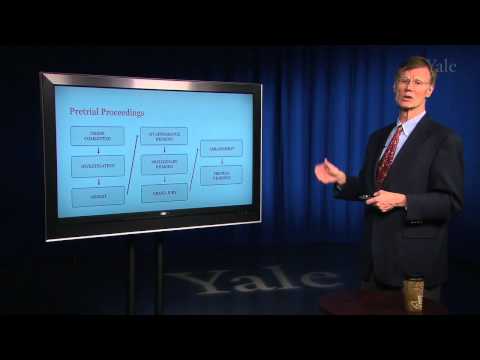
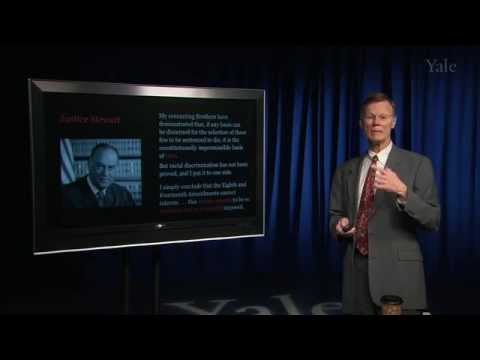
Stephen Bright, teaching Yale's course on Capital Punishment: Race, Poverty, and Disadvantage, examines what the Sixth Amendment right to counsel actually guarantees defendants who cannot afford a lawyer. The segment covers the quality of representation provided to poor people facing capital and other serious charges, including cases where court-appointed attorneys have slept through trials or failed to investigate basic facts. Bright also addresses conflicts of interest, asking what happens when a public defender's office represents co-defendants or when an attorney's other obligations compete with a client's interests. Drawing on class readings tied to real capital cases, the lecture builds toward the standard courts use to decide whether a lawyer's failures were bad enough to overturn a conviction, and why that standard rarely helps defendants who had the worst representation. It is a focused look at the gap between the constitutional promise of counsel and what indigent defendants actually receive in American courtrooms.