Prosecutorial Discretion
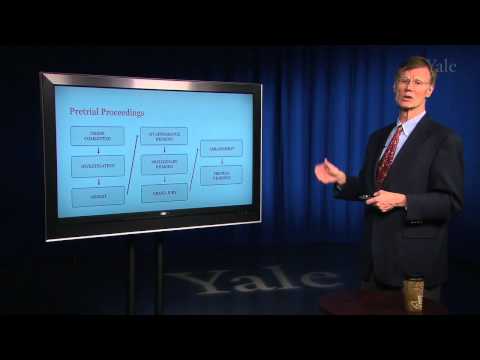
Prof. Stephen Bright, teaching Capital Punishment: Race, Poverty, and Disadvantage at Yale, examines the wide discretion prosecutors hold in the criminal justice system, including whether to bring charges, what penalties to seek, whether to pursue the death penalty or accept a plea bargain, and how much evidence to share with the defense. Bright discusses prosecutors' duty to disclose exculpatory evidence and their limited obligation to preserve evidence, then talks with John Thompson, who spent seventeen years on death row in Louisiana after prosecutors withheld evidence that would have proven his innocence. Thompson won a 14 million dollar verdict in Connick v. Thompson, later overturned by the Supreme Court. The session also touches on the consequences of most state prosecutors being elected officials, using Thompson's case to raise questions about accountability when disclosure rules are violated.