Plea Bargaining
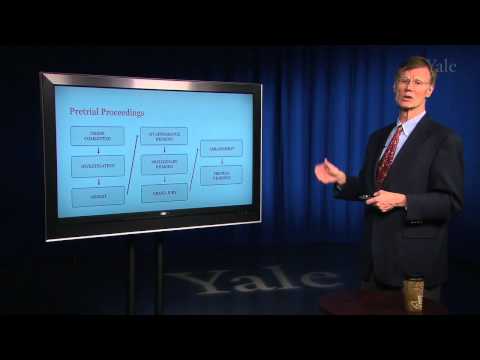
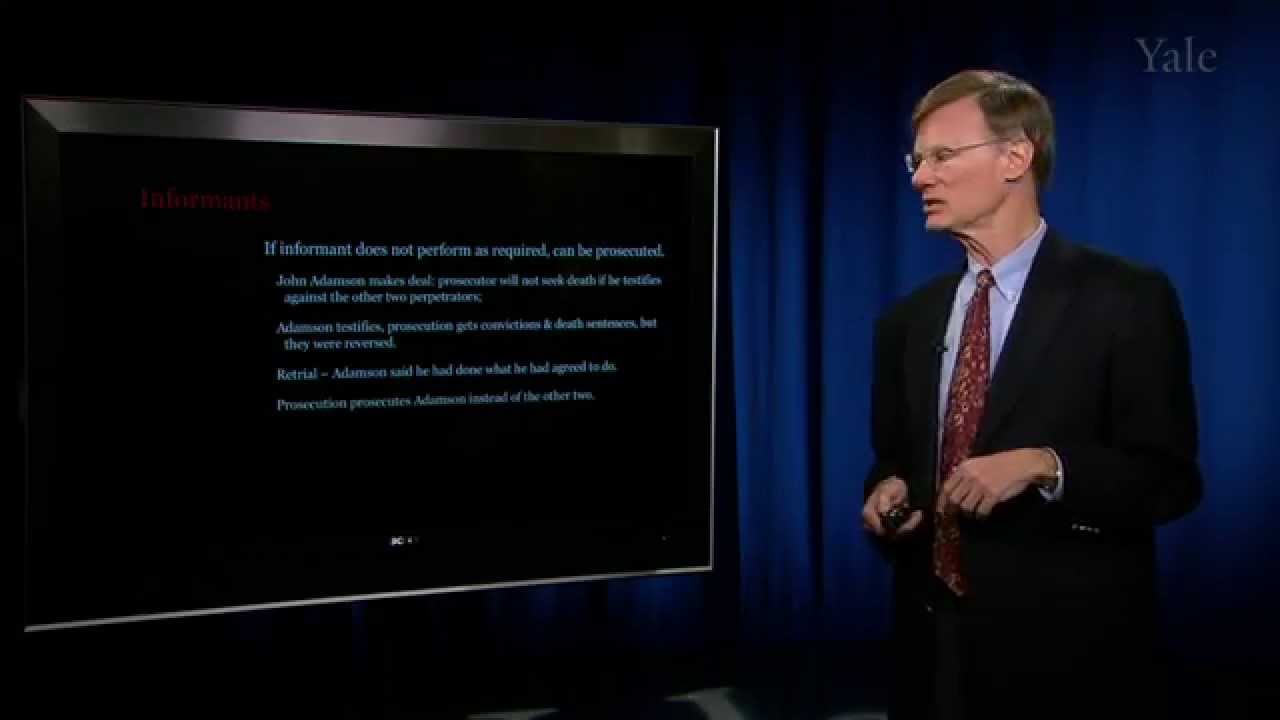
Stephen Bright examines how plea bargaining functions in capital cases, focusing on the two decisions that shape a death penalty prosecution: whether the prosecutor seeks death at all, and whether that prosecutor will later accept a guilty plea in exchange for withdrawing the death request. Part of Bright's Yale course on Capital Punishment: Race, Poverty, and Disadvantage, the class draws on assigned readings covering prosecutorial discretion and the incentives that push defendants toward pleading guilty even in serious cases. Bright walks through how these decisions are made in practice, who holds the power to make them, and what that concentration of discretion means for defendants facing execution. The lecture treats plea bargaining not as a routine procedural step but as a site where prosecutorial power, race, and poverty intersect to determine who lives and who dies within the capital system.