Experts and Counsel in Post-Conviction Review
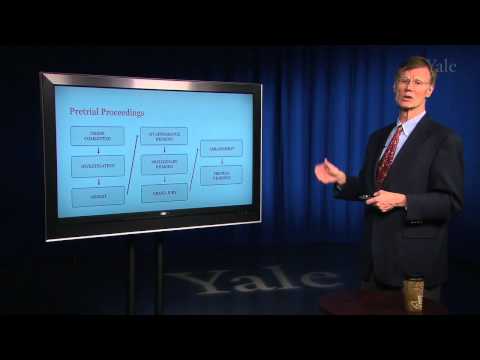
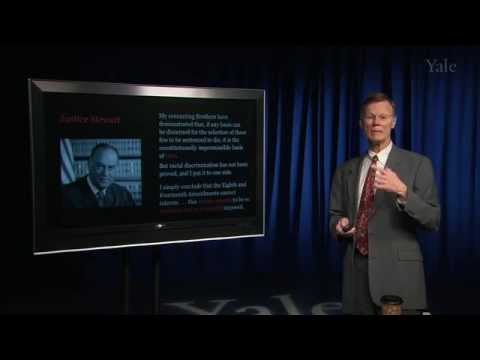
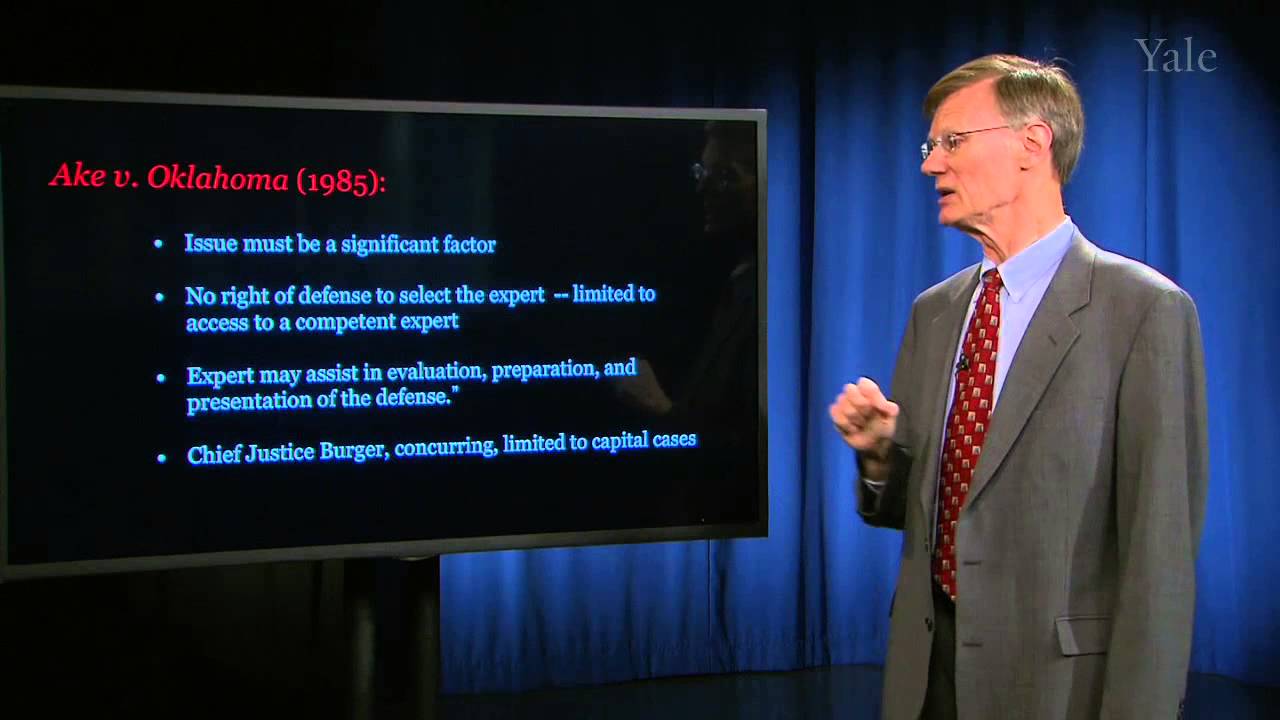
Stephen Bright, teaching at Yale in his course Capital Punishment: Race, Poverty, and Disadvantage, examines what happens to indigent defendants after conviction in death penalty cases. He covers the right to expert assistance, including mental health experts, and the Supreme Court's ruling that there is no constitutional right to counsel during post-conviction review, even when a defendant faces execution. Bright walks through the practical consequences: many people on death row receive post-conviction representation that is underfunded, inexperienced, or absent entirely, at the exact stage where new evidence of innocence or ineffective trial counsel would need to surface. The segment draws on class readings covering experts and post-conviction procedure to show how procedural rules built for adequately resourced defendants function very differently for the poor. It is part of a lecture series on capital punishment, race, and poverty in the American legal system.