America's Written Constitution: Conversation with Lucas Swineford
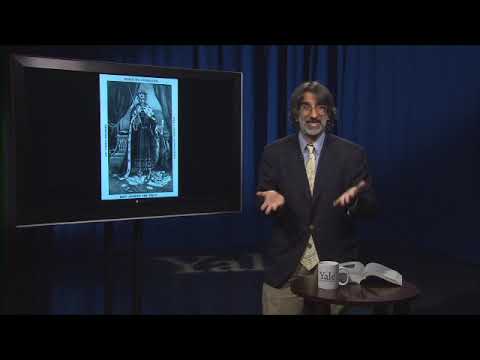
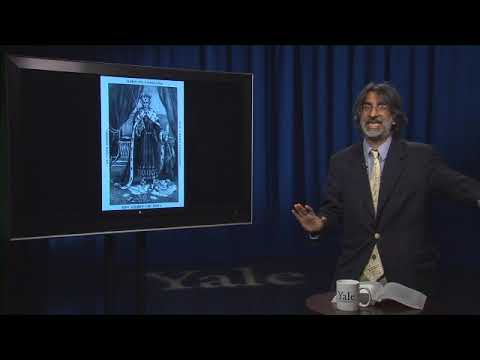
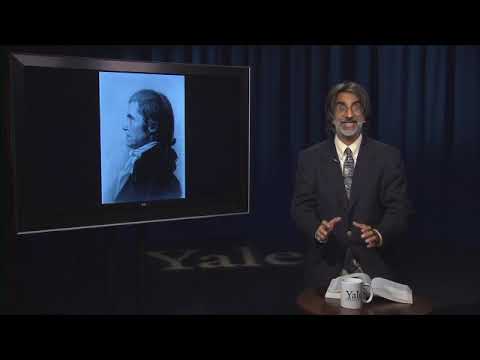
Akhil Reed Amar, the Yale constitutional scholar, sits down with Lucas Swineford, executive director of Yale's Office of Online Education, to discuss how America's constitutional example traveled abroad and why the nation forgave its internal critics. Amar opens with the Declaration's appeal to a candid world, Benjamin West's account of George III's reaction to Washington disbanding his army, and the opening lines of Federalist 1, then traces the slow international reception through the French Revolution, the failed reforms of 1848, and Lincoln's description of America as the last best hope of earth. The second half turns to domestic reconciliation: using Federalist 2's image of a band of brethren, Amar explains why loyalists who opposed independence in 1776 were permanently frozen out of public life while Anti-Federalists who opposed the Constitution in 1788, including James Monroe, went on to hold the highest offices. He closes by framing the Bill of Rights as the face-saving compromise that brought holdout states Rhode Island and North Carolina into the union.