Course Conclusion: America's Written Constitution
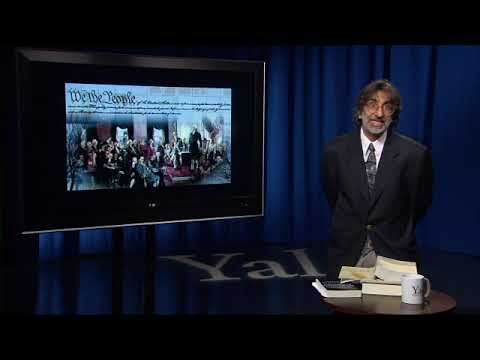
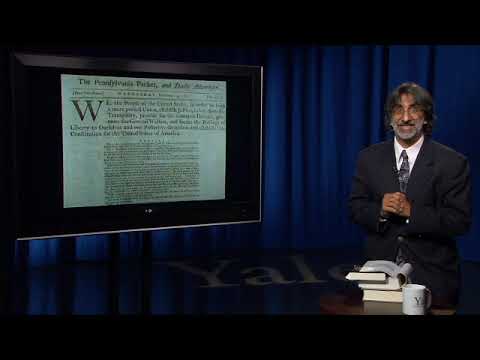
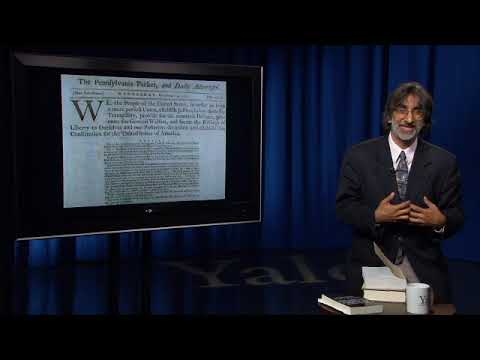
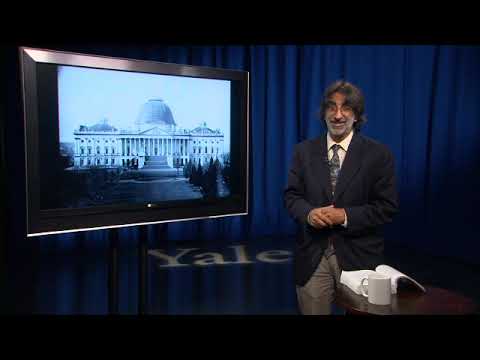
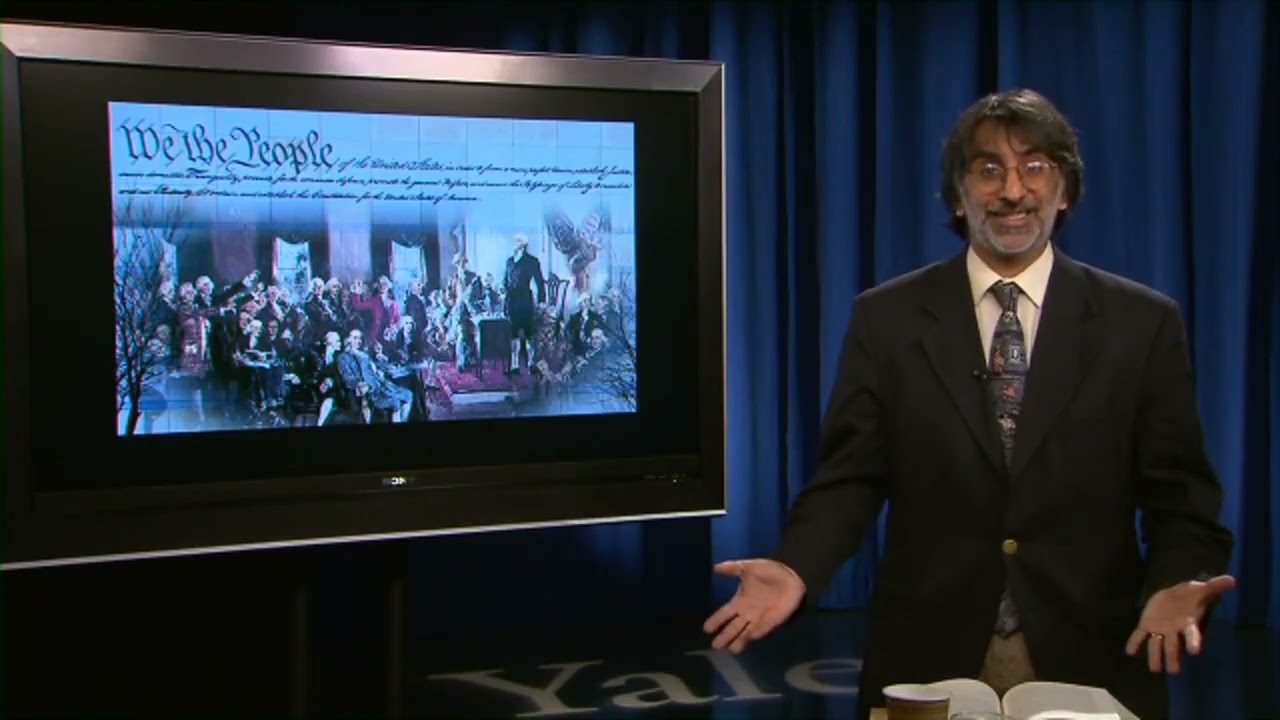
Akhil Reed Amar closes his Yale course on the Constitution by separating four distinct things Americans mean by that word: the terse written text itself, unwritten principles of higher law, the institutional arrangements that actually constitute government including the two-party system, and the interpretive tools and techniques the document never specifies. He reviews the course's arc, from popular sovereignty and the three branches through federalism, supremacy, and the chronological append of amendments, then points to the Federalist Papers for further reading. The lecture's final argument is historical and forward-looking: the Constitution assumed oceans would isolate America from old-world threats, which is why the country went 150 years without a large standing army. Climate change, pandemics, nuclear weapons, and terrorism cross those oceans now, and Amar challenges students to draft a Publius II for this new era before closing with thanks to the production crew.