The Law of the Land, Part 2: Articles VI and VII
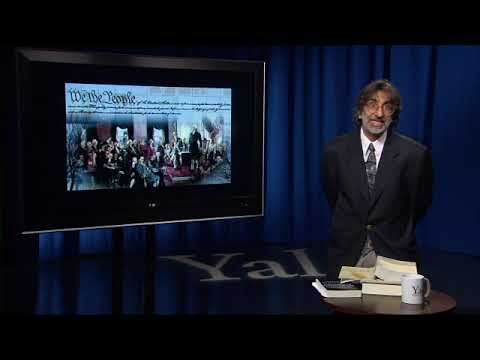
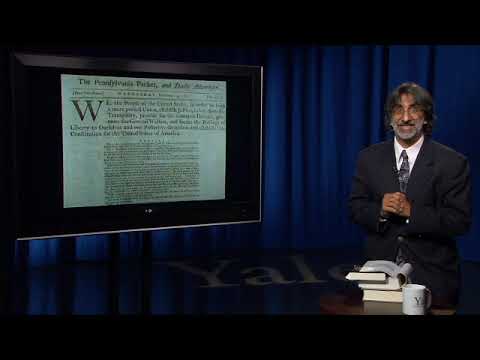
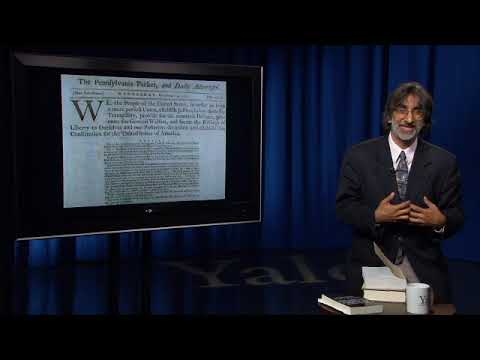
Akhil Reed Amar closes his reading of the original Constitution with Articles VI and VII, arguing that the document outranks ordinary statutes because its democratic foundation runs deeper. He contrasts the Supremacy Clause with the Articles of Confederation, which state courts treated as a mere treaty that later laws could override, and builds a hierarchy running from the Constitution and its amendments down through federal statutes, treaties, and state law, explaining why treaties cannot raise an army or create a federal crime without the House. He reads the Supremacy Clause as a rebuttal to secession, then turns to Article VII, the ratifying conventions that cashed out 'We the People,' and the choice of nine states as the threshold for a union no state had to join but none could later leave. Part of Amar's Yale lecture series on the written Constitution.