Rights as Side Constraints and the Minimal State
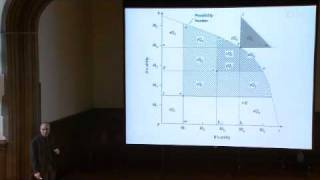
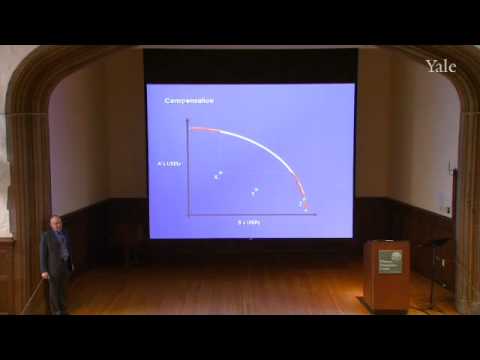
Ian Shapiro continues his Yale course Moral Foundations of Politics with a lecture on Robert Nozick's theory of the minimal, or night watchman, state. He explains why Nozick treats rights as side constraints rather than goals, making this a deontological rather than teleological account, and traces how a dominant protective association could emerge without rights violations. The lecture's core problem is Nozick's treatment of independents, people who refuse to join the social contract, and whether forcing them to incorporate can be justified through compensation. Shapiro walks through the unsolved puzzle of compensation without interpersonal utility comparison, the Kantian escape through ought-entails-can, and a Pareto-compatible compensation test using a neoclassical utilitarian diagram. He closes by asking whether this same logic could justify the welfare state, and whether consent, the value Nozick's whole account rests on, survives the argument intact.